Stages & Complications of Puncture Wound Healing

4 Puncture Wound Healing Stages: 3 Complications

Puncture wound healing stages include hemostasis, inflammation, proliferation, and maturation. These phases involve crucial chemical processes to regenerate damaged cells and ensure the individual’s well-being. The stages of puncture wound healing typically involve hemostasis to stop bleeding, followed by inflammation to allow nutrients and oxygen into the wound. The final stage includes growth, rebuilding, and […]

CONTINUE READING ➞
7 Tips To Disinfect Stab Wounds 5 Complications

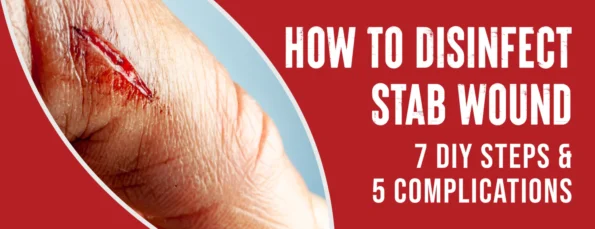
How To Disinfect Stab Wound: 7 DIY Steps & 5 Complications

Infection could occur if fluids and other contaminants enter the wound. Improper disinfecting can also delay healing. Cellulitis occurs when an infection does not receive prompt treatment, spreading infection into deeper tissues under the skin. A topical antibiotic cream or ointment should be applied to the wound. When you change the dressing, rewash the area […]

CONTINUE READING ➞
A Step-by-Step Guide To Disinfecting Burn Wounds

How To Disinfect A Burn Wound | 17 DIY Steps & 3 Mistakes

Burns are painful wounds caused by heat, electricity, chemicals, or radiation. Smoking and flames are the top causes for older adults. Scalding is common for children. Infants and older adults face the highest risk of burn injuries. To prevent infection, a burn wound should be washed daily with mild soap and water. Avoid hydrogen peroxide […]

CONTINUE READING ➞
5 Best Tips for Cleaning Wounds 4 Different Types

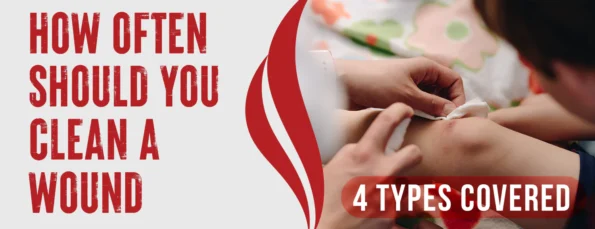
How Often Should You Clean a Wound: 4 Types [Covered]

If wounds are not cleaned properly, they can have severe consequences. Bacteria and pathogens thrive in unclean wounds, increasing the infection risk. Further complications may result from foreign body retention or aggressive debridement. Clean twice a day with soap and water and apply ointment afterward. You don’t need hydrogen peroxide or alcohol to clean. Continue […]

CONTINUE READING ➞
5 Major Differences Between Antiseptics Disinfectants

Difference Between an Antiseptic and a Disinfectant

The fact that antiseptics are sometimes called disinfectants adds to the confusion. Disinfectants and antiseptics are enormous differences. Human skin is treated with antiseptics to kill microorganisms on its surface. A disinfectant kills microorganisms on inanimate surfaces, such as countertops and handrails. We will explore the differences between antiseptics and disinfectants. We will delve into […]

CONTINUE READING ➞
3 types of disinfectants safe for cats & how to use them

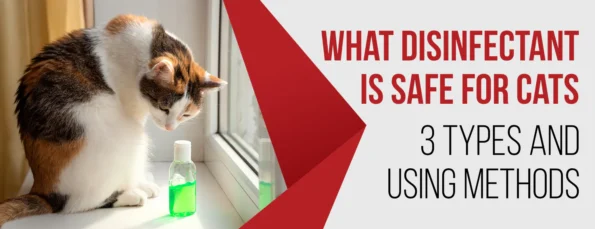
What Disinfectant is Safe for Cats: 3 Types & Using Methods

Disinfectants are crucial for cats to eliminate contagious pathogens. They are vital in preventing infection spread, especially in situations without vaccination or specific treatment. Regular hygiene and disinfection protocols maintain a safe and healthy environment for feline companions. Diluted washing-up liquid (non-ionic or anionic detergents) can be a less irritant disinfectant safe for cats. If […]

CONTINUE READING ➞
Four factors to consider regarding dog disinfectants & three non-toxics options

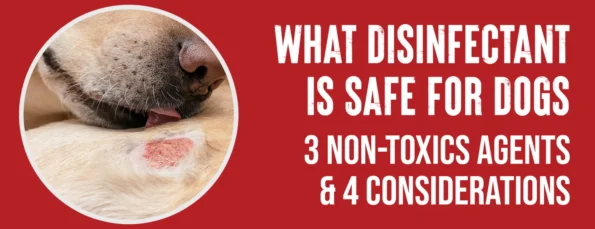
What Disinfectant is Safe for Dogs: 3 Non-Toxic Agents

Dogs carry and are susceptible to many germs that we don’t. This is why a regular human disinfectant and a dog disinfectant are necessary to keep a household clean and infection-free. White vinegar diluted in water is a safe and effective disinfectant for dogs. It can be sprayed or poured over surfaces and then rinsed […]

CONTINUE READING ➞
Baby Disinfectant Sprays

What Disinfectant Spray Is Safe for Babies: 11 Factors

A disinfectant kills germs and may harm babies or children if misused. A child should never apply disinfectants, and babies should not be allowed near disinfectant areas. Follow the label instructions when using disinfectants and ventilate the site. When choosing a disinfectant spray for babies, my priority is to pick one that is baby-safe, non-toxic, […]

CONTINUE READING ➞
The use of bleach for wound disinfection is safe and effective

Can You Use Bleach To Disinfect A Wound: 3 Benefits

Bleach is often considered a household staple for cleaning and disinfecting surfaces, but did you know that it can also be used for wound care? While bleach can be an effective disinfectant for killing bacteria, it’s important to use caution when using it for wound care. The harsh chemicals in bleach can cause irritation and […]

CONTINUE READING ➞
Disinfect a wound with these 5 applications

What to Use to Disinfect a Wound? Types of Applications

Wound disinfection involves eliminating harmful microorganisms to prevent infection and promote healing. It can also reduce pain, inflammation, and scarring. Not all wounds are the same, and not all disinfection methods suit every situation. Use a saline solution, tap water, or an alcohol-free wipe to disinfect a wound effectively. Avoid using antiseptics as they can […]

CONTINUE READING ➞
My Cart
Recently Viewed
Categories