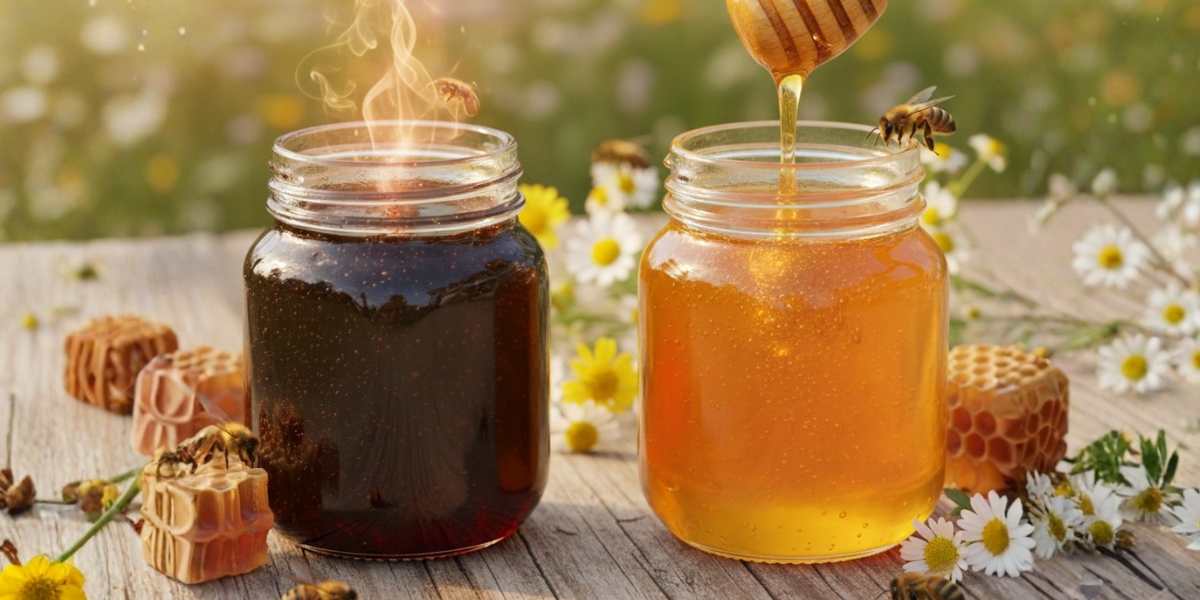
Some people are surprised the first time they see black honey. Its dark colour and bold taste make it stand out from the golden honey most of us know. If you have wondered how it compares to regular honey, you are not alone.
Black honey and regular honey share the same basic origin, but they form in very different ways. These differences shape their colour, flavour, nutrients, and ideal uses. When you understand how each one is made, it becomes easier to choose the right fit for your kitchen or wellness routine.
In this guide, you will learn how each type of honey is produced, how it tastes, how it compares nutritionally, and when each one works best.
Black Honey vs Regular Honey: 9 Key Factors
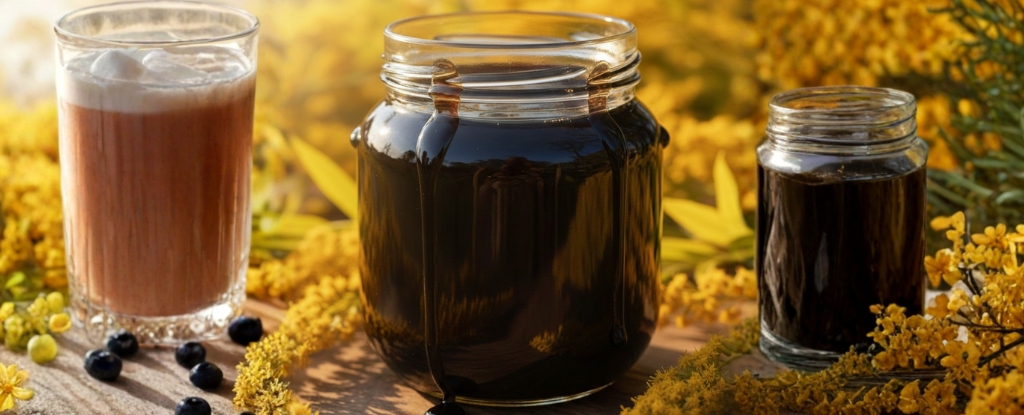
Let’s learn about what sets black honey apart from regular honey. These two look and taste very different, and the reasons behind those differences are interesting once you break them down. From how each one is made to how they taste and where they come from, each has its own story and strengths.
What Is Black Honey?
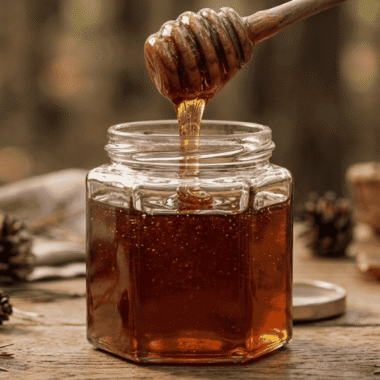
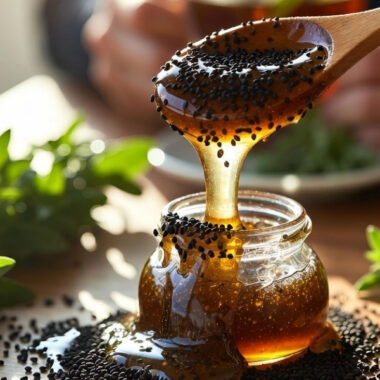
Black honey has a deep, rich colour and a thick texture that sets it apart from common honey. It usually comes from nectar sources that create darker syrups or from honey that has been aged or lightly fermented.
It is often made by allowing the honey to mature over time, which concentrates the sugars and darkens the colour. Some versions come from specific plants, such as certain forest trees, that naturally produce darker nectar. The result is a syrup that feels dense and has a bold, almost smoky taste.
Black honey is most common in parts of Asia, the Middle East, and regions with heavy forest nectar. Each area produces its own flavour note based on local plants.
What Is Regular Honey?
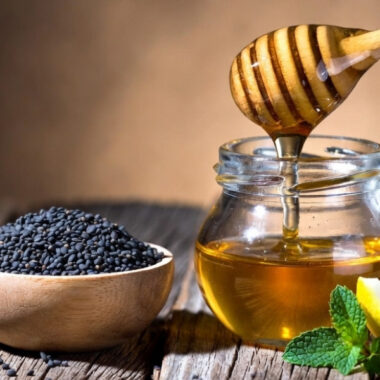
Regular honey is the classic golden honey found in most homes. Bees create it by collecting nectar, reducing its moisture, and sealing it to preserve it.
There are wide varieties, including clover, wildflower, and orange blossom. These range from light yellow to amber, depending on the plant source. Most regular honey tastes sweet and mild with a smooth, pourable texture.
Its familiar flavour makes it easy to use in drinks, baking, and everyday cooking.
Key Differences in Production
Black honey and regular honey start with nectar, but the production path divides from there. Black honey often comes from darker nectar or goes through extra time that thickens and darkens it. Regular honey stays closer to its natural state after bees complete their work.
Factors that shape the difference include:
- Type of nectar collected by the bees
- Aging or mild fermentation, which is more common with black honey
- Length of storage, which affects colour and thickness
Nutritional Differences
Both types of honey contain natural sugars, but black honey tends to have a slightly lower sugar concentration because it contains more minerals and plant compounds.
Key nutritional notes include:
- Sugar content is often higher in light, regular honey
- Antioxidants tend to be more concentrated in darker honey
- Minerals like iron and potassium may be found in higher amounts in black honey
Taste and Texture Comparison
Each type brings its own sensory experience. Black honey tastes bold and earthy, while regular honey stays light and bright.
You will notice differences in:
- Sweetness level, which is often milder in black honey
- Thickness, with black honey usually dense and slow moving
- Aroma, which is deeper and more complex than regular honey
- Aftertaste, which can have a caramel or molasses-like note
Health Benefits: Side-by-Side
Both honeys may offer gentle digestive support and antioxidant activity. Their mineral content and natural compounds can contribute to general wellness, though results can vary.
Here is how they compare:
- Digestive support may be similar for both
- Antioxidant properties are usually stronger in black honey
- Potential antibacterial effects are present in both, depending on the plant source
Common Uses for Each Type
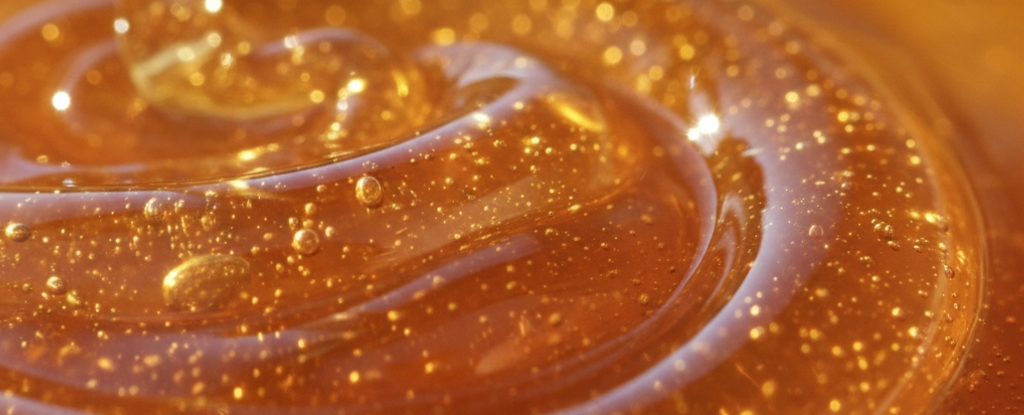
Each honey type has practical strengths. Black honey works well in rich recipes or homemade remedies that need bold flavour. Regular honey fits everyday cooking and light sweetness.
Helpful ways to use them include:
- Culinary uses like sauces, baking or drizzling
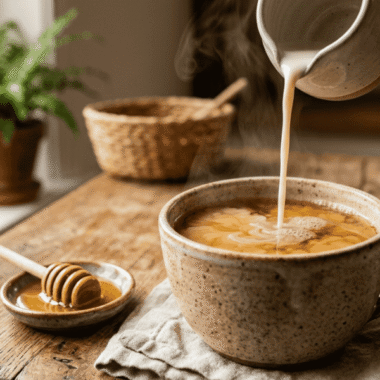
- Home remedies with warm water or herbal tea
- Pairings, such as black honey with roasted foods and regular honey with fruit or yogurt
Which One Is Better?
The better choice depends on your goal. If you want a strong flavour and more concentrated nutrients, black honey may be the better pick. If you want a smooth, familiar taste that blends into anything, regular honey is easier to use.
Black honey shines when you want richness, while regular honey wins when you need gentle sweetness.
Quick Comparison Table
|
Feature |
Black Honey |
Regular Honey |
|
Colour |
Very dark |
Light to amber |
|
Taste |
Bold, earthy |
Mild, sweet |
|
Texture |
Thick and dense |
Smooth and pourable |
|
Nutrients |
Higher antioxidants and minerals |
Higher natural sugars |
|
Best uses |
Rich dishes, strong teas, remedies |
Baking, drinks, and everyday cooking |
Conclusion
Black honey and regular honey each offer their own strengths. When you understand their taste, texture, and nutrient differences, it becomes easy to choose the one that fits your recipe or wellness needs. Both can earn a place in your kitchen for different occasions.