Honey is one of the most commonly adulterated foods because it’s easy to dilute, sweeten, or modify without obvious signs. That means many shoppers don’t realize they’re buying a product that’s far from natural honey.
You can spot adulterated or fake honey by checking its texture, scent, and how it behaves in simple tests. Real honey has a rich aroma, natural variations, and a thicker flow.
Fake honey often tastes like straight sugar and mixes quickly in water. Reading the label and choosing trusted sources also helps you avoid diluted or artificial products.
This guide walks you through the signs, tests, and red flags that can help you choose honey you can trust.
How to Spot Adulterated or Fake Honey: 9 Key Factors
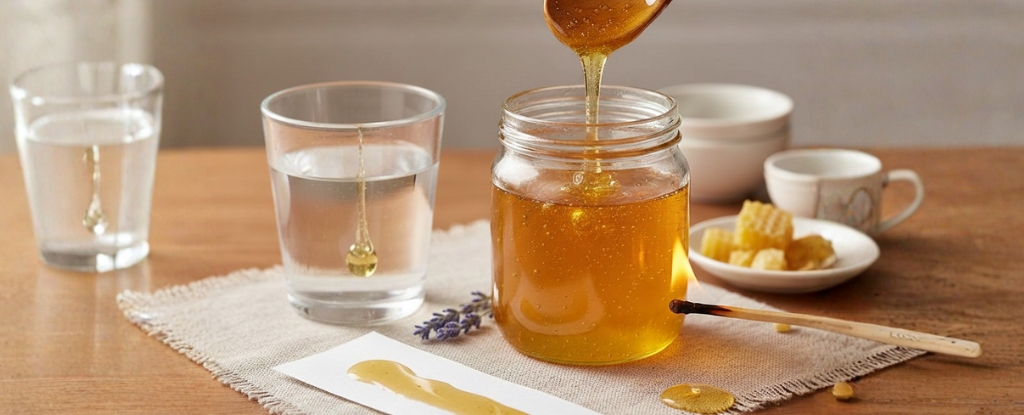
Honey is often adulterated with cheap sweeteners, which makes it harder for shoppers to know what they’re really buying. The good news is that real honey has clear traits you can spot with a bit of practice. By checking the label, appearance, taste, and simple tests, you can avoid adulterated or fake honey.
Check the Label and Source
Before you open the jar, the label gives you your first clues. Reliable brands make their sourcing clear and easy to verify.
Look for:
- Certified organic labels from trusted organizations
- Transparency about the region or the floral source
- A brand with a strong reputation and a history of clean practices
- Country of origin and clear production notes
If the label is vague or avoids mentioning location, that’s a sign to be cautious.
Observe the Appearance
A quick look at the jar can reveal a lot. Pure honey varies in color depending on the flowers bees visited, so slight differences are normal.
Watch for:
- Natural variation instead of uniform, artificial brightness
- No foam or odd bubbles that can signal fermentation or additives
- Crystallization in a slow, grainy pattern
- Honey that stays thin and perfectly smooth for a long time can be a sign of dilution or syrups.
Perform Simple Home Tests
These easy checks can give you a better sense of purity, though they are not perfect.
Here’s what to try:
- Water test: Pure honey sinks to the bottom of a glass and takes time to dissolve. Adulterated honey spreads quickly or mixes fast.
- Thumb test: Place a drop on your thumb. Real honey sticks in place instead of running off.
- Flame test: A honey-coated cotton swab may burn if the honey is pure. Added moisture or syrups usually prevents it from lighting. Use caution with this test.
Taste and Aroma Check
Your senses are powerful tools. Real honey doesn’t taste like straight sugar.
Look for:
- A layered sweetness instead of a sharp sugary hit
- A natural aroma that reflects the floral source
- A clean aftertaste instead of an artificial or syrupy finish
If it tastes like syrup, it probably is.
Check for Sediments or Impurities
Pure honey can contain tiny traces of pollen or wax, which is normal. What you don’t want is anything that looks processed or separated.
Keep an eye out for:
- Strange particles that look manufactured
- Layer separation, which often signals added water or syrups
Natural honey should feel consistent throughout the jar.
Use Professional or Lab Tests (Optional)
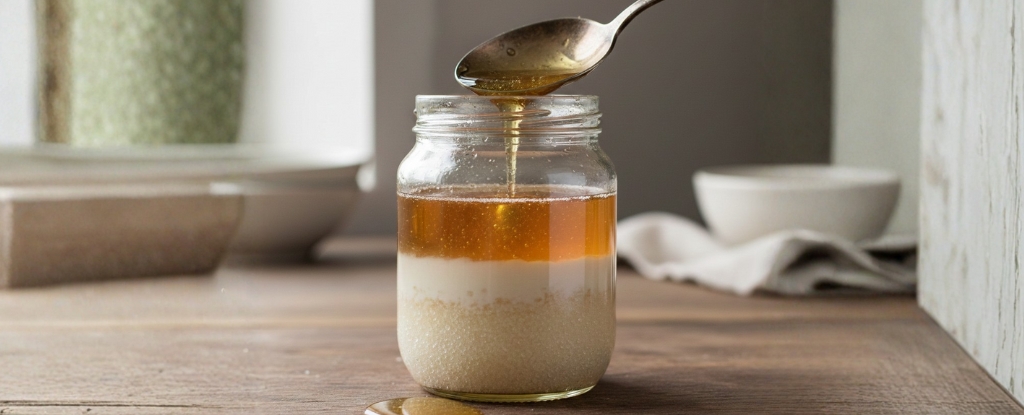
If you’re buying honey in large amounts or want full certainty, lab testing offers deeper accuracy.
Common methods include:
- HMF testing, which shows heat damage or over-processing
- Pollen analysis, which confirms the floral source and geographic origin
These tests are optional but useful for beekeepers or bulk buyers.
Common Red Flags
A few warning signs can help you make quick decisions at the store.
Be cautious if you notice:
- A price far below market standards
- A texture that’s too smooth with no signs of natural crystallization
- A shelf life that seems unrealistically long
Real honey changes slowly over time, so anything that stays perfect for years deserves a second look.
Conclusion
Spotting fake or adulterated honey becomes easier once you know what to watch for. Labels, appearance, taste, and a few simple tests can help you separate natural honey from products filled with additives. Stay alert, trust your senses, and choose brands that value transparency and quality.