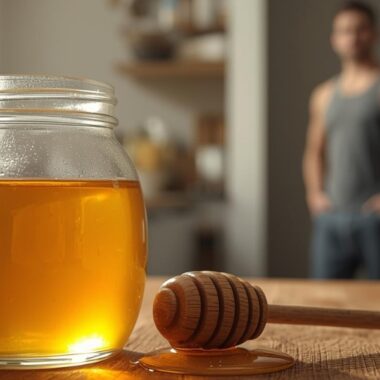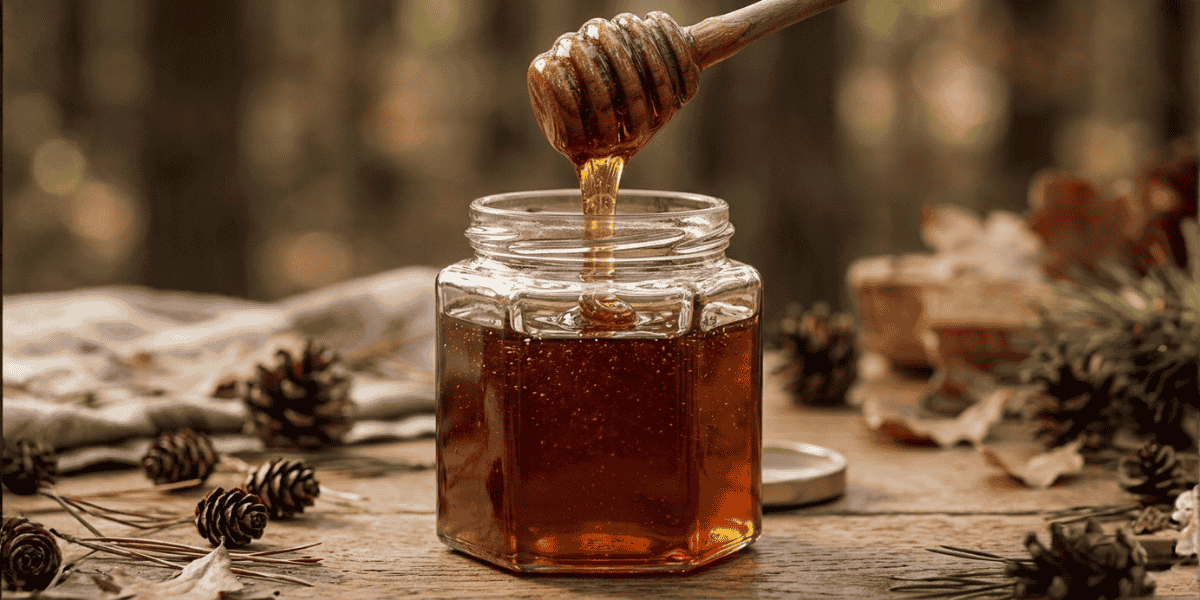
Black forest honey stands out the moment you see it. Its deep, almost black color and rich aroma make it very different from the light, golden honey most people know. This rare type of honey has gained attention for its bold flavor and health benefits.
Black forest honey is a special type of honey made not from flower nectar, but from honeydew collected by bees in forest regions. It comes mainly from the Black Forest in Germany and nearby areas. Unlike regular honey, it is darker, less sweet, and packed with minerals and antioxidants, which makes it both unique and highly valued.
In this article, you will learn where black forest honey comes from, how it is made, its benefits, taste, uses, and how to choose the best quality.
Black Forest Honey: 12 Facts You Should Know
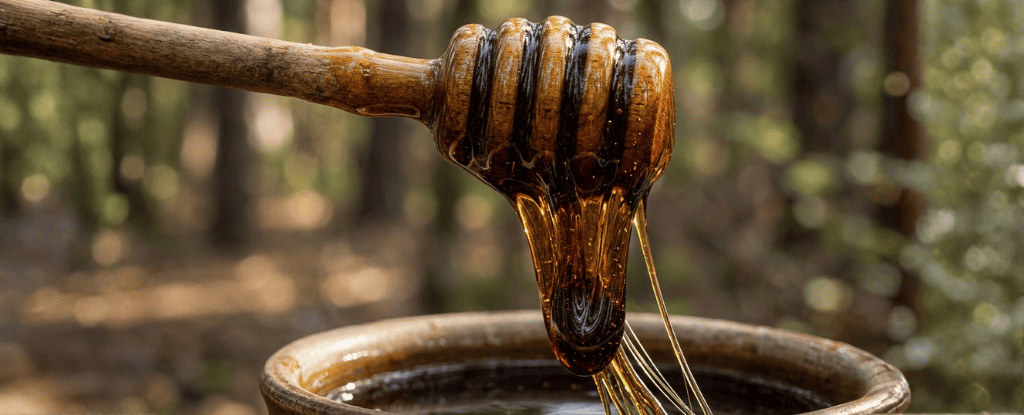
Black forest honey is often called honeydew honey. It comes from forest environments instead of flower fields. Bees collect sweet secretions left by insects on tree bark rather than nectar from blossoms.
This difference is what makes it unique. Compared to regular honey, it has a deeper color, stronger taste, and higher mineral content. It is less sugary and more complex in flavor.
Geographic Source
The origin of this honey plays a big role in its quality. It mainly comes from the Black Forest region in Germany, known for its dense woodlands.
The environment in this region supports its production:
- Thick forests filled with fir, pine, and spruce trees
- Cool, moist climate that supports insect activity
- Limited farming, which keeps the ecosystem clean
These natural conditions help create a pure and nutrient-rich honey.
Production Process
The way black forest honey is made is quite different from standard honey. Instead of collecting nectar, bees gather honeydew.
This process involves:
- Forest trees like fir and pine that host small insects
- Insects releasing sugary sap known as honeydew
- Bees collecting this honeydew and converting it into honey
Unlike nectar honey, honeydew honey contains more minerals and fewer simple sugars, giving it its distinct profile.
Composition and Nutritional Profile
Black forest honey is known for its rich nutritional content. Its dark color often signals higher levels of beneficial compounds.
Key components include:
- Minerals such as potassium, magnesium, and iron
- Antioxidants that help fight free radicals
- Natural enzymes that support digestion
- Higher fructose levels compared to glucose
This combination makes it more nutrient-dense than many lighter honeys.
Health Benefits
Many people choose black forest honey for its potential health advantages. While it is still a natural sugar, it offers more than just sweetness.
Some notable benefits include:
- Strong antioxidant properties that support overall health
- Support for the immune system
- Gentle aid for digestion
- Natural antibacterial effects that may help with minor infections
It can be a simple addition to a balanced lifestyle.
Taste and Physical Characteristics
The taste of black forest honey is one of its most defining features. It is bold and not overly sweet.
You can expect:
- A rich, malty flavor with slight bitterness
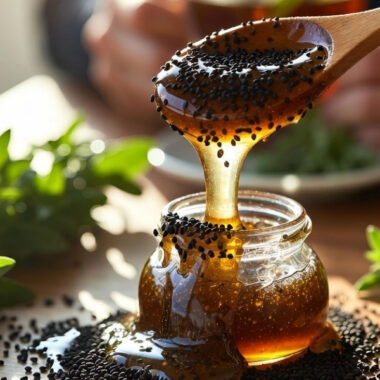
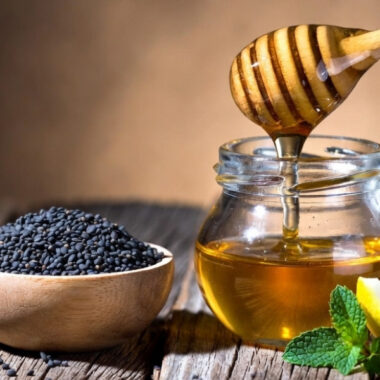
- Deep color ranging from dark brown to nearly black
- Thick texture that pours slowly
This makes it ideal for those who prefer a more complex honey experience.
Comparison with Other Honey Types
Black forest honey is quite different from common floral honey. The source alone changes everything from taste to nutrition.
Key differences include:
- Less sweetness compared to floral honey
- Higher mineral content
- Stronger, more earthy flavor
Compared to other varieties:
- Manuka honey is known for medical use, while black forest honey is valued for nutrition
- Wildflower honey is lighter and sweeter, making it more versatile but less intense
Its unique profile makes it stand out in the honey market.
Uses and Applications
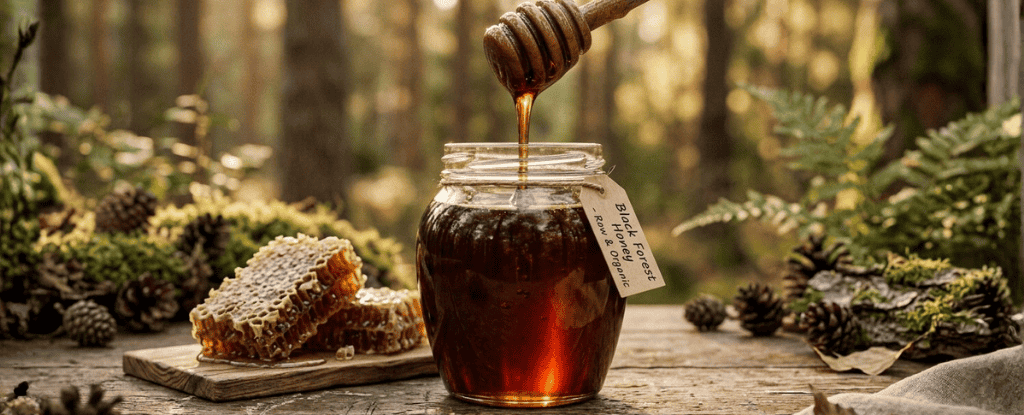
Black forest honey can be used in many ways, both in food and daily routines.
Common uses include:
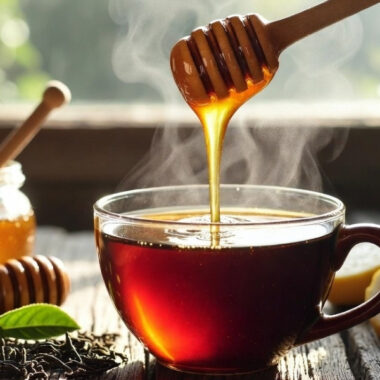
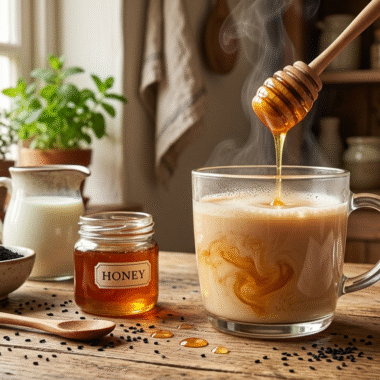
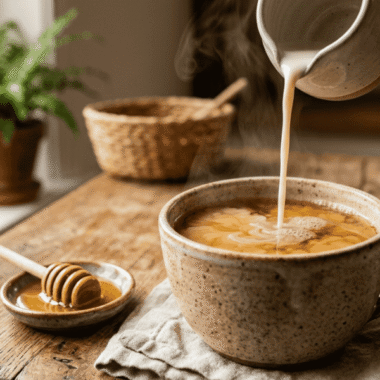
- Adding to tea or warm drinks
- Drizzling over yogurt or desserts
- Using in marinades for meats
- Taking a spoonful daily for general wellness
Its strong flavor pairs well with both sweet and savory dishes.
Quality and Purity Indicators
Not all honey labeled as black forest honey is genuine. Knowing how to identify real products is important.
Look for:
- Dark color and thick consistency
- Labels indicating honeydew origin
- Certifications from trusted sources
- Minimal processing or raw labeling
Be cautious of overly cheap options, as they may be diluted or mixed.
Storage and Shelf Life
Proper storage helps maintain the quality of black forest honey over time.
Best practices include:
- Keeping it in a sealed container
- Storing at room temperature away from sunlight
- Avoiding moisture exposure
Unlike some honey types, it crystallizes more slowly due to its composition. When stored well, it can last for years.
Market Value and Availability
Black forest honey is often more expensive than regular honey. Its production is limited and depends on specific conditions.
Factors affecting price include:
- Region of origin
- Purity and certification
- Demand in international markets
It is commonly available in specialty stores, online shops, and health food markets.
Potential Side Effects and Precautions
While black forest honey is natural, it should still be consumed with care.
Important points to consider:
- Possible allergic reactions in sensitive individuals
- High natural sugar content, which may affect blood sugar levels
- Not suitable for infants under one year
Moderation is key to enjoying its benefits safely.
Conclusion
Black forest honey is more than just a sweetener. Its unique origin, rich taste, and nutritional profile make it a standout choice for those who want something beyond ordinary honey. From its forest-based production to its potential health benefits, it offers a natural option with depth and character.
Choosing high-quality, authentic black forest honey ensures you get the full experience. Whether you use it in your kitchen or as part of your daily routine, it brings both flavor and value in every spoon.