Black honey coffee has a way of catching your attention from the first sip. It’s sweet, dense, and layered in a way that feels almost dessert-like. Many coffee lovers hear the term and assume it’s flavored, but the truth is far more interesting.
This style comes from a specific processing method that controls how much fruit stays on the bean as it dries. When done well, it creates a cup that feels rich and balanced with a natural sweetness you can’t fake. The process takes skill, patience, and the right environment.
In this guide, you’ll learn what black honey coffee is, how it’s made, how it tastes, and how to choose and brew it at home.
Black Honey Coffee: 9 Key Factors That Shape Its Flavor
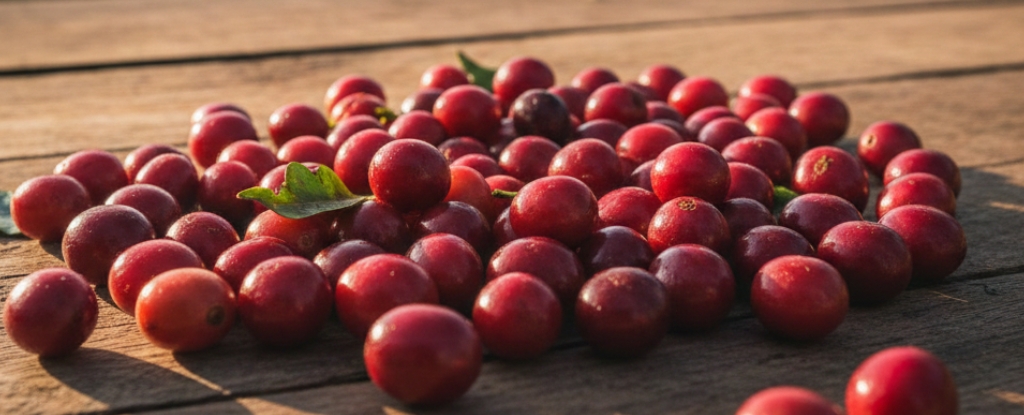
Black honey coffee comes from a processing method where a large amount of sticky fruit mucilage stays on the bean during drying. As the beans dry, the mucilage darkens and thickens, which is where the name comes from. The coffee itself is not flavored and doesn’t contain honey.
Compared to other honey styles, it keeps the most fruit on the seed. Yellow, red, and white honey coffees remove more mucilage, which makes them lighter and less intense. Black honey sits at the boldest end of the spectrum.
It earns its name because the remaining fruit layer turns very dark as it dries, almost like molasses.
How Black Honey Processing Works
This method starts with careful picking, because the process can’t hide low-quality cherries. Farmers choose ripe, dense fruit that can handle slow drying without spoiling.
After picking, the cherries are pulped to remove the skin but leave most of the sticky mucilage. The amount left is the key difference between honey levels. Black honey keeps the thickest layer.
Drying usually happens on raised beds. Workers move the beans often to prevent mold and help them dry evenly. Weather, airflow, and sunlight all shape the final flavor, so producers monitor the conditions throughout the day.
Key factors that influence flavor include:
- Thickness of mucilage
- Drying speed
- Humidity and temperature
- Frequency of turning the beans
- Cleanliness of the drying beds
Origin and Regions Known for Black Honey Coffee
This method is most common in Central America, especially in Costa Rica, where honey processing has become a signature style. You can also find it in parts of El Salvador, Guatemala, and Nicaragua.
These areas offer warm days, cool nights, and steady breezes that help slow drying without letting the beans ferment too far. Farms at higher elevations tend to produce the best results because cherries develop more sugars.
Specific regions known for this style include:
- Costa Rica’s Tarrazú and West Valley
- El Salvador’s Chalatenango
- Guatemala’s Huehuetenango
Flavour Profile of Black Honey Coffee
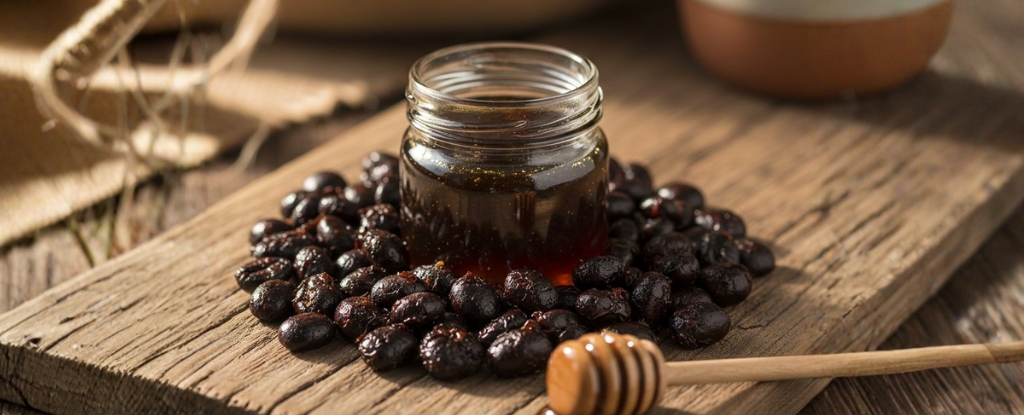
Black honey coffees often open with a strong, sweet aroma that can remind you of dried fruit or caramel. The cup tends to feel round and full, with a syrupy body.
Common tasting notes include:
- Dark fruit like plum or blackberry
- Brown sugar sweetness
- Chocolate or molasses undertones
- A long, smooth finish
The longer drying time deepens the flavor. More mucilage means more natural sugars stay in contact with the seed, which boosts sweetness and complexity.
How to Brew Black Honey Coffee
This style shines most in brewers that highlight clarity and sweetness. Pour-over, Aeropress, and drip brewers work very well.
For best results:
- Use a medium grind for pour-over or drip
- Try slightly cooler water, around 198-202°F
- Use a 1:15 to 1:16 coffee-to-water ratio
- Aim for a brew time of 3-4 minutes
These settings help bring out the coffee’s layered sweetness without making it taste too heavy.
Benefits of Black Honey Processing
Producers use this method for both flavor and sustainability. It creates a cup with strong sweetness, thick body, and more fruit-forward notes than washed coffees.
Some added benefits include:
- Reduced water use compared to the washed processing
- Lower environmental impact in regions where water is scarce
- Efficient use of ripe cherries since the process enhances natural sugars
The result is a coffee that feels rich but still clean.
Challenges in Black Honey Processing
The same aspects that create complex flavor also make the process demanding. Drying thick layers of mucilage takes time and careful attention.
Common challenges include:
- High labor needs for constant turning
- Risk of mold in humid weather
- Uneven drying if airflow is poor
- Over-fermentation when temperatures spike
A small mistake can flatten the flavor or cause defects, which is why skilled producers often charge more for this coffee.
How Black Honey Coffee Compares to Other Honey Process Levels
Yellow, red, and white honey coffees dry faster because they keep less fruit on the bean. They taste lighter, cleaner, and less intense. Black honey sits at the richest end, with deeper sweetness and more body.
Compared to natural processed coffees, black honey offers fruitiness without the heavier fermentation notes that naturals sometimes carry. Compared to washed coffees, it feels sweeter and more textured.
Its main selling point is the mix of clarity and richness, which creates a cup that feels both sweet and balanced.
Tips for Choosing High-Quality Black Honey Coffee
Great black honey beans are easy to spot when you know what to look for.
Check for:
- Processing details on the bag such as “black honey” or “mucilage-heavy honey process”
- Origin information that lists specific farms or regions
- Roast levels that lean toward light or medium to preserve sweetness
- Freshness dates to ensure the flavors stay vibrant
Authentic honey-processed beans usually show a slightly uneven appearance from the drying process, which is normal.
Conclusion
Black honey coffee offers a special mix of sweetness, depth, and clean fruit notes that you don’t find in many other styles. Its slow drying and careful handling create a cup that feels full but still bright. Once you understand how it’s made and how to brew it, you can enjoy all the layers this method brings out.