
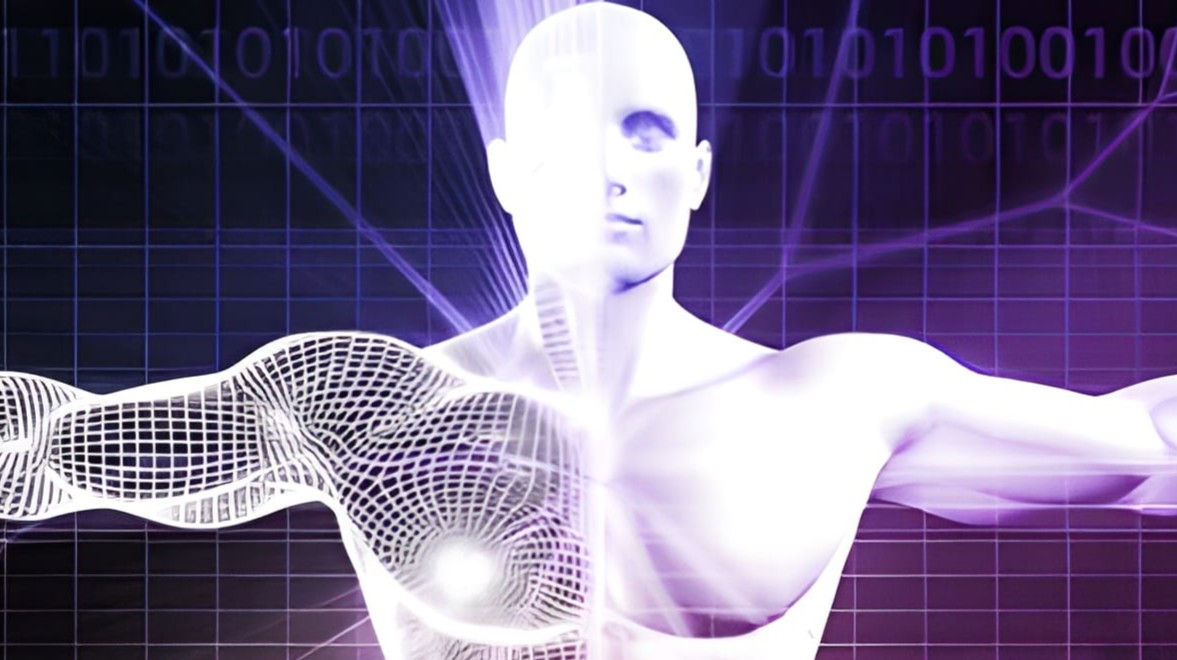
Digital art has revolutionized how we create and consume art, and knowing how to draw a body is a crucial skill for any aspiring digital artist. Whether you're interested in creating dynamic characters, realistic portraits, or intricate landscapes, understanding the fundamentals of drawing the human form is essential.
To create a digital body, start by choosing your device and software. Popular options like Photoshop and Clip Studio Paint work on computers, tablets, and smartphones. Sketch the body structure, understanding anatomy. Use a pen tablet to smoothen lines on a computer. Add details, considering bones and muscles. Improve your skills with practice and patience.
In this post, I'll share the essentials of learning to draw a body in digital art, including understanding human anatomy, sketching the body, and detailing and coloring the body.
How to Draw a Body Digital Art: Human Anatomy
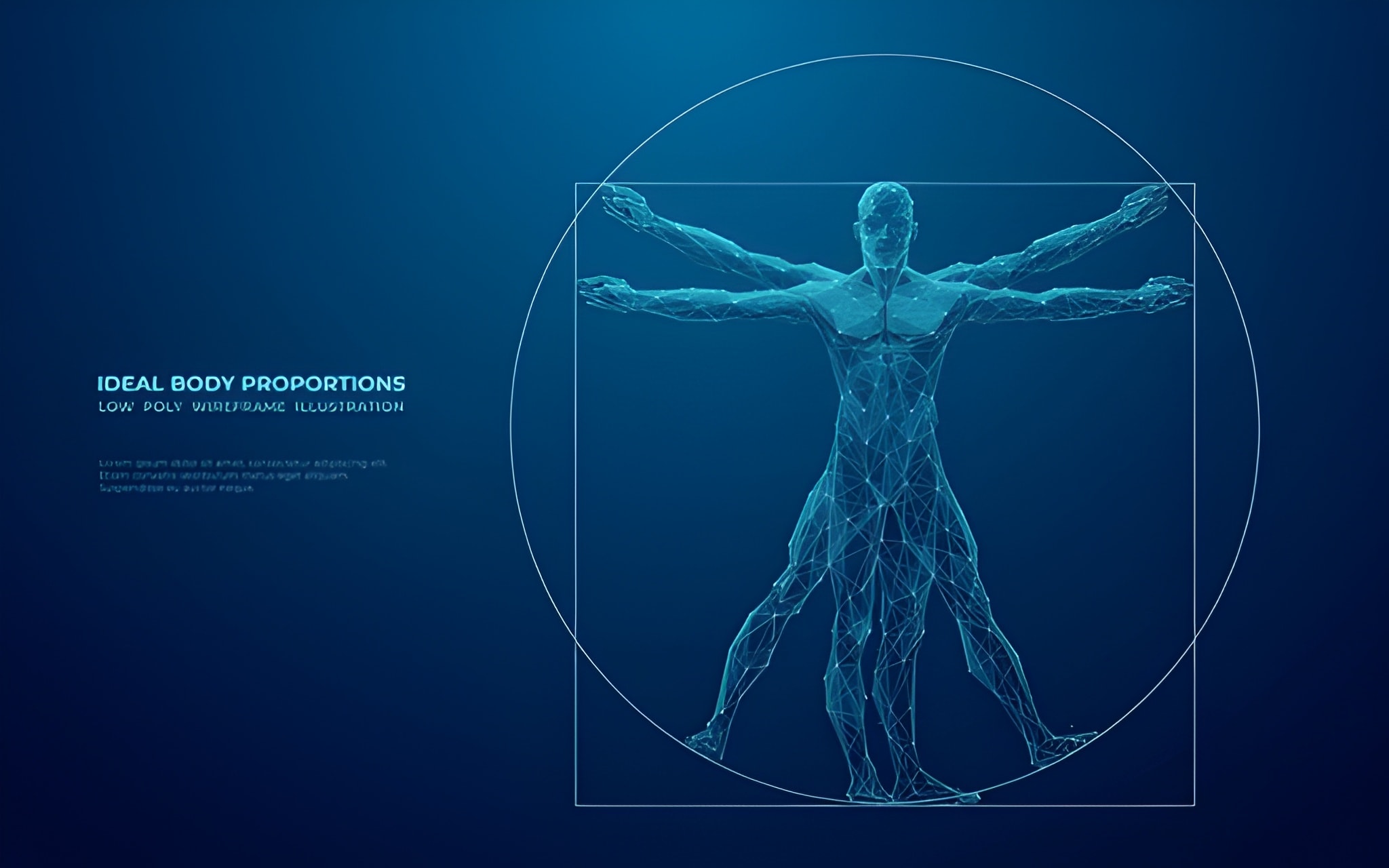
A realistic representation of the human body is a skill every aspiring artist should strive to master. An understanding of human anatomy is crucial to achieving this goal. We will examine various aspects of human anatomy crucial in digital body art. Let's look at:
Body Drawing and the Skeletal System
The skeletal system is one of the most fundamental parts of the human anatomy, and any digital artist must understand it well. The bones provide the structure and framework for the entire body and play an integral role in creating a realistic portrayal of the human form. Here are some key points to keep in mind when considering the skeletal system in digital art:
- Study the skeletal structure before adding the muscles and skin to the figure
- Pay attention to bone placement, especially at joints, to create a more natural-looking pose
- Don't be afraid to simplify the skeleton to make the figure more dynamic and expressive
- Use references to ensure that the bone structure is accurate and proportional
Muscles and Body Shape
The human body's muscles allow us to move and play a significant role in creating the body's shape. As a digital artist, understanding how muscles work and how they affect the body's appearance will help you make more realistic figures. Here are some vital points to keep in mind:
- Study anatomy books or online resources to understand the different muscle groups and how they work together.
- Use references to draw muscles to ensure accuracy, shape, and size.
- Remember that the muscle's position will guide the figure's movement and expression.
- The size of each muscle group will affect the body's shape, so be mindful of proportions when drawing the figure.
Digital Art of Skin and Its Texture
The skin's texture is essential in creating realistic, life-like digital human body art. Understanding how skin conforms to the underlying bone and muscle structure will help you add depth and definition to your drawing. Here are some key factors to consider:
- Pay attention to the thickness and elasticity of the skin in different areas of the body.
- Adapt a range of brush strokes and techniques to achieve different textures for different skin.
- Shadows and highlights add depth and stress to the skin's texture.
- Use references to study skin patterns, such as wrinkles and pores, and incorporate them into your work.
Body Lighting and Shadows
Lighting is one of the most crucial aspects of creating digital art of the human body. The way light falls on the figure will affect its appearance, and the shadows it cast will help define its shape. Here are some essential things to consider about lighting and shadows:
- Study the principles of light and shadow and how they apply to the human body.
- Use references to study how light falls on the body in original positions and under other lighting conditions.
- Experiment with different lighting setups in your digital art to create different moods and effects.
- Use shadows to define the figure's shape and add depth and dimension to your work.
Body Drawing Digital Art: Sketching the Body

The art of sketching the human body is fundamental to the creation of captivating and realistic artwork. We will explore the essential aspects of sketching the human form digitally, offering valuable insights and practical tips to help you embark on this artistic journey.
Digital Body Sketching Tools
Drawing tools are essential for sketching the body digitally. Here are some tools you will need to get started:
- A digital drawing tablet: This is a must-have for any digital artist as it allows for more precise strokes and pressure sensitivity.
- A stylus: A stylus pen is the digital equivalent of a pencil or pen, allowing precision control over your sketches.
- Digital art software: There are many options with unique features and benefits. Choose one that best suits your needs and skill level.
Body Proportions and Measurements
Proper proportions and measurements are crucial for drawing the body. Here are some key things to keep in mind:
- Use reference images: Look at photographs or real-life models to understand body proportions and measurements. This will help you create more realistic and accurate sketches.
- Use the rule of thirds: Divide the body into three sections: the head, torso, and legs. This will help ensure proper proportions.
- Pay attention to heights and widths: Make sure body parts are proportionate and width.
The Steps to Creating a Basic Body Structure
Once you understand proportions and measurements, it’s time to sketch the body. Here are some basic steps to follow:
- Start with basic shapes: Use circles, ovals, and squares to create a rough sketch of the body’s shape.
- Add primary lines and shapes for limbs: Draw simple, straight lines for the arms and legs and circles for joints.
- Add details: Add more information, such as specific muscle groups and facial features.
Realistic Body Pose and Movement Tips
Creating realistic body poses and movements is complex, but you can make more lifelike sketches:
- Use reference images: Use photographs or videos of body movements to help inform your sketches.
- Pay attention to weight distribution: Consider where the weight is placed in the body when creating movement.
- Focus on posing with intent: Think about the purpose of the pose and what it communicates about the character or scene.
Body Digital Art: Detailing and Coloring the Body
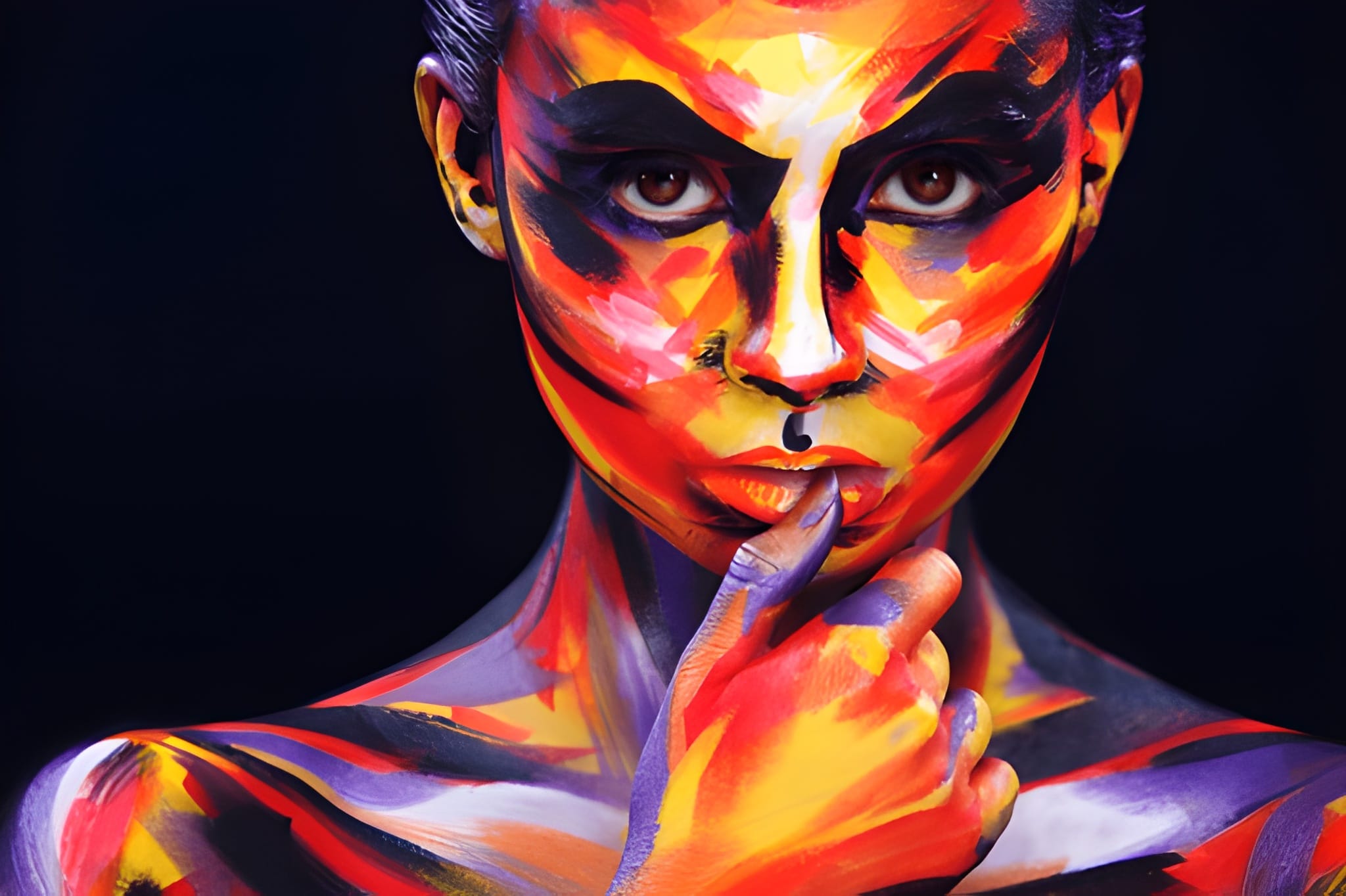
Once you have successfully sketched the basic body structure in your digital artwork, the next crucial step is to breathe life into it through detailing and coloring. This section will explore the essential techniques and considerations for adding depth, dimension, and vibrant colors to your digital body art.
Body Depth and Dimension
Adding depth and dimension to the body is an essential element in digital art that brings the subject to life. Here are some techniques to help artists achieve this:
- Shading: Use different tones and shades to create a three-dimensional effect. Shadows and highlights add depth, texture, and contrast to the body.
- Highlighting: Highlighting light and glossy surfaces like hair and skin adds an element of realism to the body.
- Blending: Blending colors is essential to achieve realistic lighting effects. A smooth transition between light and dark tones creates a natural-looking form.
- Lighting: Lighting plays a crucial role in carving out the shape and form of the body. Decide on the light source and apply it consistently throughout the artwork to create an immersive experience.
Digital Body Art Color Palettes
The right color palette sets the mood and complements the overall tone of the artwork. Here are a few tips for choosing the right color palette:
- Consider the setting: The background and environment play a massive part in choosing a color palette that complements the entire art piece.
- Use Color Theory: This studies the color spectrum and the emotions it evokes. Choosing warm tones like orange and red results in vibrant artwork, while cool tones like green and blue create a more calming effect.
- Neutral vs. Bold: You can opt for neutral shades or bold colors depending on the mood you want to create for the digital art.
Skin Tone Techniques
Achieving realistic skin tones is often a daunting task, but here are some tips to help you achieve a natural-looking skin color:
- Reference Images: Using real-life references when developing the skin tones provides an accurate representation in digital art.
- Layering: Creating multiple layers helps provide a more realistic skin tone by giving texture and depth.
- Edge Detailing: Paying attention to the edges of your artwork may also provide depth and texture, making the skin look more realistic.
Digital Art with Clothes and Accessories
Adding clothing and accessories is a crucial element when creating digital art. Listed below are some tips to make the artwork look more aesthetically pleasing:
- Accessory and Clothing Selection: Choose clothing and accessories representing the period, mood, and character's personality and design.
- Layering: Clothing and accessories are often layered realistically; creating multiple layers can help create texture and depth.
- Detailing: Adding detail to clothing provides a unique opportunity to add personality and character to the digital art.
Conclusion
The ability to draw a body is essential for creating stunning, realistic, and unique digital artwork. To create a successful digital art painting, understanding the human anatomy, sketching it, and detailing and coloring it are crucial. A masterpiece can be made by refining each step.
Use these steps for continued practice and refinement. Remember, self-reflecting and improving for future body digital art projects is essential. We hope you found this blog post informative and helpful.
![Body Drawing Digital Art: 3 Steps[Must Follow]](https://jillm.com/wp-content/uploads/2025/10/Embrace-creativity-and-be-magical-at-the-Glitter-Body-Art-Festival-380x380.webp)
![Body Drawing Digital Art: 3 Steps[Must Follow]](https://jillm.com/wp-content/uploads/2025/10/10-Types-Techniques-of-Festival-Body-Art-380x380.webp)
![Body Drawing Digital Art: 3 Steps[Must Follow]](https://jillm.com/wp-content/uploads/2025/10/What-Are-The-Differences-Between-Body-Art-And-Body-Painting-380x380.webp)
![Body Drawing Digital Art: 3 Steps[Must Follow]](https://jillm.com/wp-content/uploads/2025/10/The-most-commonly-used-body-art-380x380.webp)
![Body Drawing Digital Art: 3 Steps[Must Follow]](https://jillm.com/wp-content/uploads/2025/10/Different-Types-of-Body-Art-380x380.webp)
![Body Drawing Digital Art: 3 Steps[Must Follow]](https://jillm.com/wp-content/uploads/2025/10/5-types-of-shimmer-body-art-9-precautions-to-take-before-applying-380x380.webp)
![Body Drawing Digital Art: 3 Steps[Must Follow]](https://jillm.com/wp-content/uploads/2025/10/The-Duration-of-Aboriginal-Body-Art-380x380.webp)
![Body Drawing Digital Art: 3 Steps[Must Follow]](https://jillm.com/wp-content/uploads/2025/10/4-Best-Methods-for-Removing-Body-Art-Airbrushing-380x380.webp)