Testosterone is more than just a hormone associated with muscle growth; it’s a key player in everything from energy levels to mental clarity. As we age, testosterone naturally declines, but that doesn't mean you have to accept it as a fact of life. In fact, many people are turning to natural ways to boost their testosterone levels and regain the vitality they once had. Whether you’re struggling with fatigue, low motivation, or just want to feel more energized, boosting testosterone naturally can make a big difference.
The good news is that you don’t need to rely on expensive treatments or medications to increase testosterone.
By focusing on simple, natural methods such as diet adjustments, exercise, sleep optimization, and stress management, you can support your body’s hormone production.
These approaches help create an environment in which testosterone can thrive, improving not just your physical health but also your overall well-being.
In this article, we will explore nine practical, natural ways to boost testosterone, from dietary changes to exercise routines and lifestyle shifts that will have a positive impact on your health.
Boost testosterone naturally: 9 Effective Methods

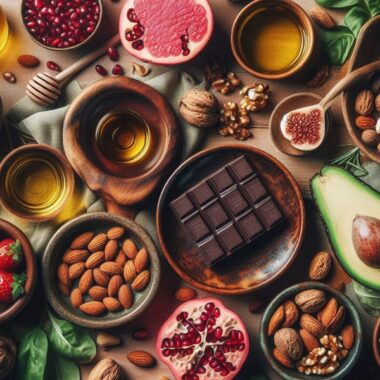
What you eat plays a significant role in your hormone levels. A balanced, nutrient-rich diet can support optimal testosterone production. Let’s take a look at the foods that are especially beneficial for boosting testosterone naturally.
- High-Quality Protein: Protein is essential for muscle building and recovery, and it plays a key role in testosterone production. Include lean meats, fish, eggs, and plant-based sources like beans and lentils in your diet to provide the necessary amino acids for hormone production.
- Healthy Fats: Healthy fats, especially those found in avocados, olive oil, nuts, and fatty fish (like salmon), are crucial for testosterone production. They help create the building blocks for hormones and support overall hormonal balance.
- Zinc-Rich Foods: Zinc is an important mineral that directly impacts testosterone levels. Foods like oysters, beef, pumpkin seeds, and spinach are all great sources of zinc. A zinc deficiency can hinder testosterone production, so make sure you're consuming enough.
- Vitamin D: Vitamin D is often called the sunshine vitamin, and for good reason. It plays a crucial role in testosterone synthesis. Sun exposure is one of the best ways to get Vitamin D, but you can also consume fortified foods and fatty fish or consider supplementation if necessary.
- Cruciferous VegetablesVegetables like broccoli, cauliflower, and kale can help regulate estrogen levels, which indirectly support testosterone production. These veggies contain compounds that help reduce estrogen dominance, allowing testosterone to thrive.
Exercise and Physical Activity for Boosting Testosterone
Exercise is one of the most powerful ways to boost testosterone naturally. Regular physical activity, especially strength training and high-intensity workouts, can significantly raise your hormone levels.
- Strength Training: Lifting heavy weights or performing resistance exercises like squats, deadlifts, and bench presses has been shown to boost testosterone production. Aim for a mix of compound exercises that engage multiple muscle groups for the best results.
- High-Intensity Interval Training (HIIT): HIIT is a time-efficient and effective way to increase testosterone. This type of workout involves alternating between short bursts of intense activity and rest periods. Studies show that HIIT can trigger a spike in testosterone, especially when done consistently.
- Consistent Exercise: Overall, staying active and maintaining a consistent exercise routine is key. Regular physical activity helps keep your hormone levels balanced, supports fat loss, and builds muscle mass all of which contribute to higher testosterone levels.
Prioritize Sleep for Better Testosterone Production
Sleep is critical for hormone production, including testosterone. Poor or insufficient sleep can have a significant impact on testosterone levels, so making sure you get enough rest is essential.
- Aim for 7-9 Hours of Sleep: Most adults need between 7 to 9 hours of sleep each night for optimal health. During deep sleep, the body produces the most testosterone, so prioritizing rest is key to boosting your hormone levels naturally.
- Optimize Your Sleep Environment: Make your bedroom as conducive to sleep as possible. Keep it cool, dark, and quiet, and avoid looking at screens before bed, as the blue light can interfere with sleep patterns.
- Consistency is Key: Try to go to bed and wake up at the same time every day, even on weekends. A consistent sleep schedule helps regulate your circadian rhythm, which is important for testosterone production.
Manage Stress to Support Healthy Testosterone Levels
Chronic stress is one of the biggest enemies of testosterone. Stress increases cortisol levels, a hormone that can inhibit testosterone production. Here’s how to manage stress effectively.
- Reduce Chronic Stress: Take steps to reduce stress through relaxation techniques like meditation, deep breathing, or yoga. Reducing stress can help keep your cortisol levels in check, which, in turn, helps maintain higher testosterone levels.
- Mindfulness and Relaxation: Practices like mindfulness and spending time outdoors can reduce stress and promote emotional well-being. Even short breaks during the day can help lower cortisol and keep testosterone levels stable.
- Avoid Overworking: Work-life balance is important for hormone health. Constant overworking and overtraining can both lead to elevated cortisol levels, which suppress testosterone. Make sure you’re not pushing your body or mind too hard.
Supplements That May Help Boost Testosterone

While diet and exercise are crucial, certain supplements may also help increase testosterone levels. Here are a few that have shown potential.
- Vitamin D: If you’re not getting enough vitamin D from sun exposure or food, a supplement may help boost testosterone. Many studies show a link between low vitamin D levels and lower testosterone.
- Zinc: If you’re not consuming enough zinc through food, consider a supplement. Zinc is vital for testosterone production, and supplementation can help if your diet is lacking.
- Ashwagandha: Ashwagandha is an adaptogen that helps reduce stress and may increase testosterone levels. Some studies show that it can help improve hormone balance and enhance vitality.
- Fenugreek: Fenugreek is a herb that may help increase testosterone levels. Research suggests that it can support hormonal balance, especially in those with lower testosterone.
Maintain a Healthy Body Composition
Body fat, especially visceral fat (fat around your organs), can lower testosterone levels. Maintaining a healthy body composition is important for boosting testosterone naturally.
- Reduce Excess Body Fat: Focus on losing excess fat through a combination of diet and exercise. Lowering your body fat percentage can help raise testosterone levels, as too much fat can increase estrogen levels, which suppress testosterone.
- Balanced Diet and Exercise: Consuming a balanced diet and staying active are both crucial for maintaining a healthy body composition. Consistency in exercise and mindful eating can help keep testosterone levels high.
Avoid Endocrine Disruptors
Certain chemicals in our environment, known as endocrine disruptors, can interfere with testosterone production. These chemicals are found in plastics, cosmetics, and cleaning products.
- Limit Exposure to Chemicals: Try to avoid products that contain BPA, phthalates, and parabens, which are known to disrupt hormone function. Opt for natural or organic alternatives to reduce your exposure.
Alcohol and Drug Use: Moderation is Key
Excessive alcohol consumption and recreational drug use can negatively affect testosterone levels. Moderation is key to maintaining healthy hormone levels.
- Moderate Alcohol Intake: Too much alcohol can lower testosterone levels. It’s best to keep alcohol consumption moderate to prevent hormonal imbalances.
- Avoid Recreational Drugs: Certain drugs, including marijuana and opioids, can interfere with testosterone production. Avoiding these substances is crucial for maintaining optimal hormone levels.
Intermittent Fasting and Testosterone
Intermittent fasting is an eating pattern that involves cycling between periods of eating and fasting. Some research suggests it may help boost testosterone by improving insulin sensitivity and promoting fat loss.
Consider Intermittent FastingIf done correctly, intermittent fasting can support testosterone production by encouraging fat loss and improving metabolic health. However, it’s important to approach fasting carefully to avoid negative side effects.
Conclusion
Boosting testosterone naturally is achievable with the right combination of diet, exercise, sleep, and lifestyle choices. By focusing on healthy habits like eating a balanced diet, staying active, managing stress, and getting enough sleep, you can support your body's natural testosterone production. Remember that consistency is key, and with these natural methods, you can feel stronger, more energetic, and healthier.