Finding natural ways to improve vitality is a priority for many men, especially when it comes to hormonal health. You have likely seen online forums or health blogs claiming that a simple jar of honey could be the key to fixing low energy and boosting physical performance. With so many supplements on the market, it can be hard to tell the difference between a tasty superfood and a legitimate medical solution.
The scientific reality is that plain honey has not been proven to significantly raise testosterone levels in human men during clinical trials.
While reliable studies on animals often show a measurable boost in hormones due to antioxidant properties, these same results have simply not been consistently replicated in human testing so far.
Currently, the data suggests that honey supports general reproductive health rather than acting as a direct steroid-like booster for people.
This guide explores the difference between human and animal studies, proposed biological mechanisms, and what the science really says about honey and male hormones.
Does Honey Increase Testosterone? 5 Facts

Understanding medical terms helps us see what is really happening inside the body when we talk about hormones. Scientists look for very specific markers to decide if a substance is actually working or if it is just a placebo effect.
- Serum total testosterone is the main number doctors look at in a standard blood test to measure the hormone circulating in your veins.
- Luteinizing hormone (LH) serves as a signal from your brain that tells the body to make more testosterone.
- Testicular function refers to how well the actual organs work to produce hormones and support reproductive health.
What the Human Evidence Shows
We need to look at actual clinical trials to see how this sweet food affects real people rather than just relying on theories. There are not many large studies on this specific topic, but the ones that exist give us a clear picture of the current reality.
- A clinical trial involving men with low sperm counts gave them 20 grams of honey daily for 12 weeks, but found no major difference in testosterone levels compared to the other group.
- Hormonal profiles in these men remained largely the same before and after the 12-week experiment.
- A 2019 review looked at all available data and concluded that we still lack enough human proof to say honey works as a testosterone booster for men.
What the Animal Evidence Shows
Laboratories often test rats or mice before moving on to human trials to see if a biological mechanism exists. Interestingly, the results in these smaller mammals are much more positive than what we see in human clinical trials.
- Oral administration of honey in many animal studies resulted in higher serum testosterone levels.
- In vivo trends show that most animal studies report a positive increase rather than no change.
- Results vary across different studies, with some showing massive improvements and others showing no change at all.
Proposed Mechanisms
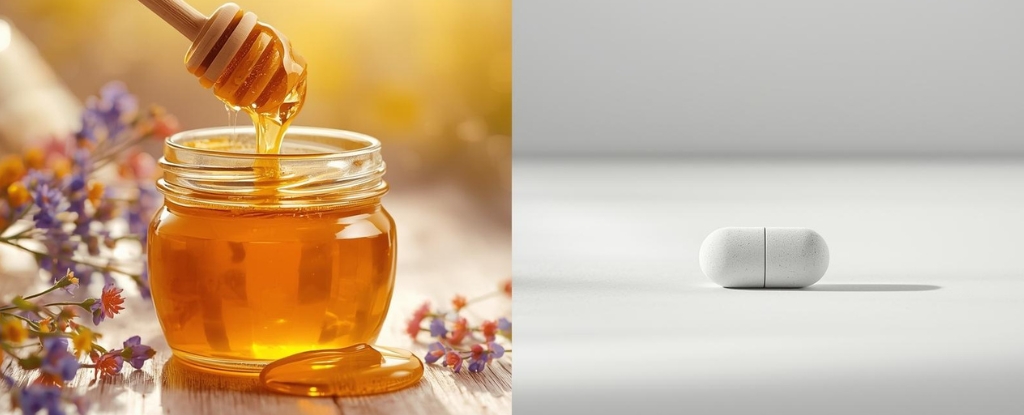
Scientists have several theories on how honey might theoretically help hormone production if the dosage and biological conditions are right. These mechanisms explain why researchers keep studying honey even though human trials have been underwhelming so far.
- LH production might be triggered by honey, which would stimulate the Leydig cells to produce more testosterone.
- Leydig cell protection is crucial because these are the specific cells that make testosterone, and honey might help keep them viable.
- Antioxidant damage reduction in the testes could create a better environment for hormone synthesis by fighting off oxidative stress.
- Gene expression related to steroid production might be enhanced by compounds found in honey.
- Aromatase inhibition is a process where honey might stop testosterone from converting into estrogen.
The Bottom Line
It is important to separate hopeful theories from proven medical facts when you are deciding what supplements to take. While honey is a healthy food with many benefits, the data on hormones specifically draws a line between animals and people.
- For humans, current clinical evidence does not clearly show that honey increases serum testosterone levels.
- In animals, honey often increases testosterone and has plausible biological mechanisms for doing so.
Conclusion
While honey is fantastic for overall health and provides great natural energy, expecting it to act as a testosterone booster on its own is not supported by current human studies. It remains a great natural food that may support your body in other ways, but you should look for more proven methods if your main goal is strictly hormonal balance.