Honey packs have become a popular topic in conversations about female libido, often promoted as a simple, natural way to spark desire. From social media clips to products at convenience stores, the promise is tempting, especially for women who feel their sex drive has changed and want answers without jumping straight to medication.
Some ingredients found in honey packs can support blood flow, hormone signaling, or vaginal tissue health, which may help certain menopausal women feel more comfortable and responsive.
For premenopausal women, however, research does not show a clear or reliable boost in sexual desire, and reported benefits often mirror placebo effects rather than true biological change. Safety concerns, including unregulated formulas and hidden drug ingredients, further complicate the picture.
In this article, we will break down what honey packs are, how their ingredients affect the female body, what clinical research really shows, how they compare to proven treatments, and what women should consider before trying them.
Do Honey Packs Boost Female Libido? 6 Evidence-Based Factors
Honey packs are marketed as sexual enhancement supplements made from honey blended with herbal extracts. They are sold widely online, in convenience stores, and through specialty retailers, often without medical oversight.
Manufacturers claim these products increase desire, improve arousal, enhance lubrication, and boost satisfaction. Some versions are labeled for women, though most formulas are nearly identical to male products.
Ingredients Often Found in Honey Packs
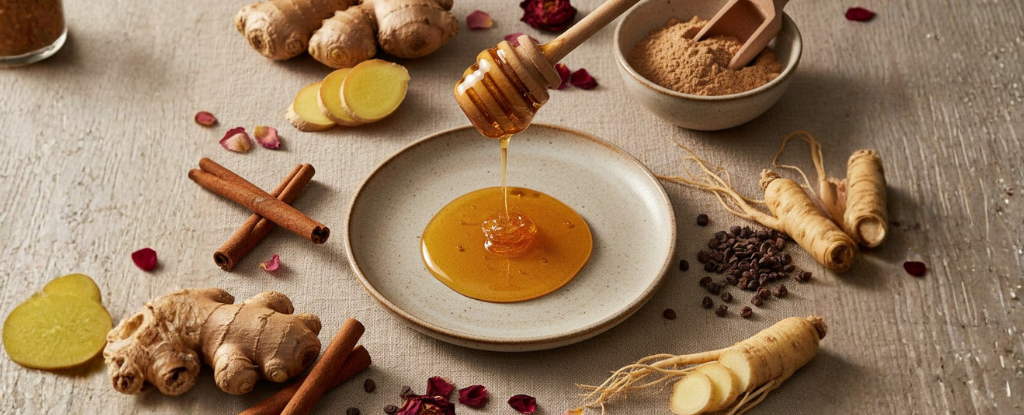
Most honey packs rely on a similar group of herbs combined with honey as a base.
- Royal jelly, promoted for hormonal balance
- Ginseng, marketed for energy and blood flow
- Maca root, positioned as a libido enhancer
- Tongkat Ali, advertised as a natural aphrodisiac
- Honey, claimed to support energy and circulation
Marketing often emphasizes “synergy,” but ingredient doses are rarely disclosed, and formulas vary widely between brands.
Marketing Claims vs Product Reality
Honey packs are not FDA-approved treatments for sexual dysfunction. Many are sold as dietary supplements or conventional foods, which allows them to bypass pre-market testing.
More concerning, the Food and Drug Administration has documented multiple honey products containing undisclosed prescription drugs, including sildenafil. This creates serious safety risks for consumers who believe they are using a natural supplement.
Scientific Basis Behind the Main Ingredients
Some honey pack ingredients have biological activity that may influence sexual health. Understanding how they work helps explain why results vary so widely.
Royal Jelly and Estrogen Activity
Royal jelly contains compounds that bind to estrogen receptors and stimulate estrogen-related gene activity. The key compound, 10-HDA, has shown estrogen-like effects in laboratory studies.
In menopausal women, this activity may help support vaginal tissue health, lubrication, and comfort. Evidence for boosting libido directly in younger women is limited.
Ginseng and Nitric Oxide Production
Ginseng increases nitric oxide production in blood vessels. Nitric oxide is essential for genital blood flow, arousal, and tissue sensitivity.
Clinical studies in women show mixed results. Improvements in arousal often match placebo responses, especially in premenopausal women. Menopausal women tend to show more benefit.
Maca Root and Hormonal Effects
Maca contains phytoestrogens and phytosterols that can influence hormone receptors. Studies show increases in testosterone levels in women, but higher hormone levels do not reliably translate into improved desire.
Sexual desire is complex and influenced by mood, stress, relationship factors, and overall health.
Tongkat Ali and Hormone Stimulation
Tongkat Ali stimulates luteinizing hormone and testosterone production. Most research focuses on men, with very limited female-specific data.
Any benefit for women remains theoretical rather than proven.
Honey’s Antioxidant Role
Honey provides flavonoids and phenolic acids that reduce oxidative stress and support vascular health. These effects may indirectly support sexual response, but honey alone is not a targeted libido treatment.
What Clinical Research Actually Shows
When looking beyond marketing, the research paints a more cautious picture.
Royal Jelly Studies in Women
Clinical trials show that daily royal jelly supplementation improves menopausal symptoms, including vaginal dryness and discomfort. Improvements in sexual satisfaction are mostly tied to better tissue health rather than increased desire.
Data in premenopausal women is scarce.
Ginseng Research Results
Studies in premenopausal women show improved desire, arousal, and satisfaction, but results are statistically similar to placebo. This highlights the strong placebo effect seen in sexual health research.
Menopausal women show more consistent improvement, likely due to estrogen-related mechanisms.
Maca and Tongkat Ali Combinations
Trials combining maca with Tongkat Ali show increased testosterone levels in women, but little to no improvement in libido or emotional well-being. Hormone changes alone are often not enough.
Honey Combined With Other Herbs
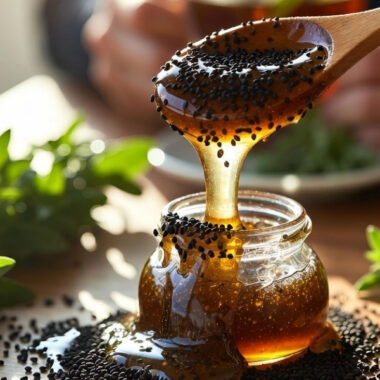
Small studies using honey combined with black seed or herbal blends show improvements in lubrication and pain, with modest effects on desire. Sample sizes are small, and results cannot be generalized.
Major Research Gaps
Most sexual enhancement research focuses on men. Female libido studies tend to involve menopausal women or those with diagnosed sexual dysfunction, leaving healthy premenopausal women largely unstudied.
Hormones and Female Sexual Response
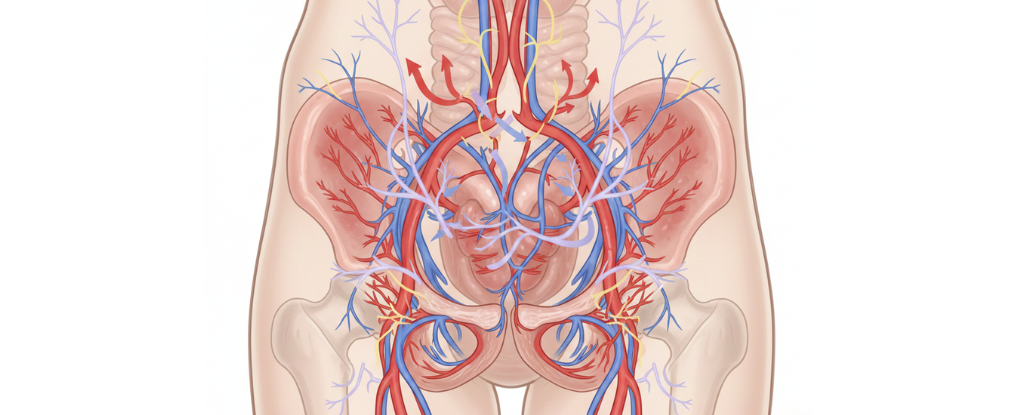
Female sexual desire depends on a delicate balance of hormones, blood flow, nerve signaling, and emotional well-being.
- Estrogen’s Role: Estrogen maintains vaginal elasticity, lubrication, and sensitivity. Declines in estrogen often reduce comfort and arousal, especially during menopause.
- Royal jelly’s estrogenic activity may help support these functions.
- Testosterone in Women: Testosterone drives sexual desire and clitoral sensitivity, even at much lower levels than in men. Increasing testosterone does not automatically increase libido if psychological or relational factors are present.
- Progesterone and Mood: Progesterone influences mood and anxiety levels. Honey’s stress-reducing properties may indirectly support interest in sex, but effects are subtle.
- Nitric Oxide and Blood Flow: Nitric oxide is essential for arousal, lubrication, and orgasm. Ginseng supports this pathway, but dietary sources like leafy greens and beets are more reliable nitrate sources.
- Oxidative Stress Effects: Oxidative stress damages blood vessels and nerves. Honey’s antioxidants may protect vascular health, but this is supportive rather than curative.
Comparing Honey Packs to Other Options
Looking at alternatives helps put honey packs into perspective.
- Honey Packs vs FDA-Approved Medications: The medications Addyi and Vyleesi are FDA-approved for female sexual desire disorders.
- They have modest benefits but are backed by controlled trials and known safety profiles. Honey packs lack this level of evidence and oversight.
- Honey Packs vs Hormone Therapy: Hormone replacement therapy is effective for menopausal sexual dysfunction and is medically monitored. Honey products may complement care but should not replace prescribed treatment.
- Honey Packs vs Therapy and Lifestyle Changes: Sex therapy, counseling, exercise, stress management, sleep, and diet have stronger and longer-lasting effects on female sexual satisfaction than supplements alone.
Safety Concerns and Regulatory Issues
Safety is one of the biggest problems with honey packs.
Hidden Drug Ingredients
The FDA has identified honey products marketed to women that contain sildenafil without disclosure. This can cause dangerous drops in blood pressure and serious drug interactions.
Other Health Risks
- Allergic reactions to bee products
- Blood sugar spikes in women with diabetes
- Hormonal concerns in estrogen-sensitive cancers
- Drug interactions with antidepressants and blood thinners
- Unknown safety during pregnancy or breastfeeding
Quality Control Problems
Unregulated manufacturing leads to inconsistent potency, counterfeit products, and degraded ingredients over time.
Why the Placebo Effect Matters
Sexual health treatments have one of the strongest placebo responses in medicine.
Expectation, confidence, reduced anxiety, and increased focus on intimacy can all improve sexual experience, even without active ingredients. Honey packs benefit from this effect, but it is not unique to them.
Evidence-Based Alternatives Worth Considering
Women with low libido benefit most from a whole-person approach.
- Medical evaluation to rule out underlying causes
- FDA-approved treatments when appropriate
- Therapy to address stress, mood, and relationship factors
- Pelvic floor physical therapy for pain-related issues
- Exercise, sleep, and nutrition that support blood flow and hormones
Conclusion
Honey packs contain ingredients with plausible biological effects, particularly for menopausal women experiencing vaginal discomfort or reduced arousal. However, strong evidence that they boost female libido, especially in premenopausal women, is lacking. Improvements often mirror placebo responses rather than clear hormonal change.
More concerning are documented safety risks, including hidden prescription drugs and unpredictable quality. Women seeking real, lasting improvement in sexual desire are better served by medical evaluation, evidence-based treatments, therapy, and lifestyle support. Honey products may play a limited supporting role, but they are not a reliable or risk-free solution.