Sexual desire is a natural part of overall health, but it does not always remain constant. Stress, sleep quality, diet, hormone levels, mental health, and daily energy all influence libido. When desire feels lower than usual, many people look for natural ways to support it.
Honey is often mentioned in these conversations. It has been valued for centuries as a natural energy source and is sometimes linked to vitality and sexual wellness. But does honey truly increase sexual desire, or is this idea mostly based on tradition?.
This article explains what honey contains, how it may indirectly support sexual desire, what research suggests so far, and how to use it safely.
Does Honey Increase Sexual Desire? 5 Science-Backed Factors
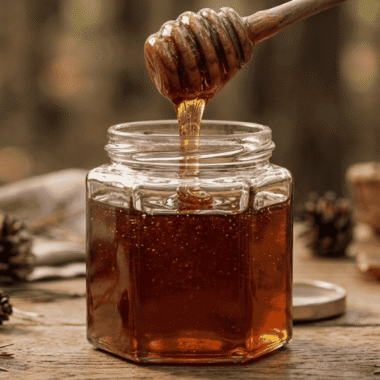
Honey is more than a sweetener. It contains small amounts of vitamins, minerals, and antioxidants that support general health, which can influence sexual desire over time.
Honey provides trace amounts of B-complex vitamins and vitamin C. These nutrients support energy production, nervous system function, and stress regulation, all of which affect mood and stamina.
It also contains small quantities of minerals involved in normal hormone and circulatory function, including:
- Zinc, which supports normal testosterone production
- Magnesium, which helps muscle relaxation and blood vessel function
- Selenium, which supports reproductive and antioxidant health
The natural sugars in honey provide quick energy, while antioxidants help reduce oxidative stress. Together, these effects support physical vitality, which is closely connected to libido.
Honey and Libido: Traditional Beliefs
Honey has a long history as a symbol of fertility and vitality in many cultures. Ancient societies used it in tonics, wedding rituals, and foods meant to enhance sexual energy.
- Many traditional practices describe honey as a natural aphrodisiac. These beliefs are often based on how honey boosts energy, supports endurance, and improves overall well-being.
- It is important to understand that these are traditional observations and anecdotal reports. They reflect cultural experience rather than controlled scientific proof.
Scientific Evidence on Honey and Sexual Desire
Scientific research on honey and sexual desire is limited but interesting. Some animal studies suggest that certain types of honey may help support testosterone levels and sperm health.
- A few small human studies have explored honey’s effects on reproductive health and energy, but direct evidence linking honey to increased sexual desire in humans is still limited. Most findings focus on general vitality rather than libido itself.
- The current evidence suggests potential benefits, but it also has clear limits. Studies are often small, short-term, or focused on animals. More human research is needed before strong conclusions can be made.
How Honey Could Influence Sexual Desire
There are a few ways honey may support sexual desire indirectly by improving overall physical function.
- One possible mechanism is hormone support. Zinc and antioxidants in honey may help maintain healthy testosterone levels, which play a key role in sexual desire.
- Honey may also help improve blood circulation. Better blood flow supports arousal and physical response, which can influence desire over time.
- Another factor is energy. Honey provides quick fuel and may reduce fatigue, especially when consumed as part of a balanced diet. Feeling more energized often leads to improved mood and interest in intimacy.
How to Use Honey Safely
Moderation is important. For most people, one to two teaspoons per day is enough to gain nutritional benefits without excessive sugar intake.
Simple ways to include honey include:
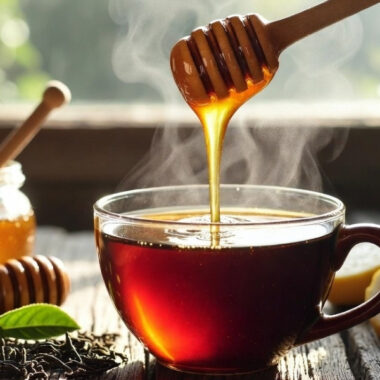
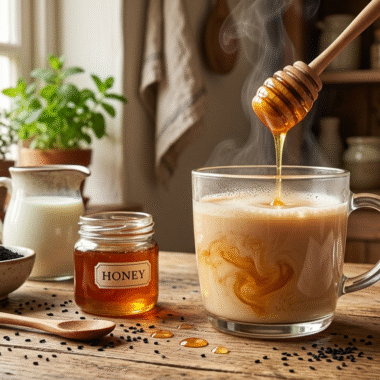
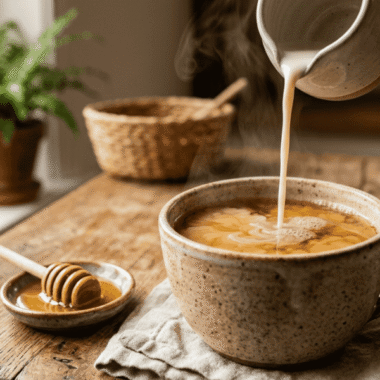
- Stirring it into warm milk or herbal tea
- Using it instead of refined sugar in small amounts
- Adding a light drizzle to meals or snacks
Important precautions:
- Avoid honey if you have a known allergy
- People with diabetes should monitor their blood sugar carefully
- Excess intake may contribute to weight gain or glucose spikes
Conclusion
Honey contains nutrients that support energy, circulation, and normal hormone function, all of which influence sexual desire. While traditional use and early research are encouraging, honey is not a guaranteed aphrodisiac.
Its potential benefits are indirect and work best when honey is part of a balanced diet and healthy lifestyle. Consistent nutrition, good sleep, stress management, and physical activity remain the strongest foundations for sexual health.