
Electrolysis, aftercare, and sex might not be topics people often discuss in the same conversation, but they absolutely should be. If you've recently had electrolysis hair removal, particularly in sensitive areas, and you're unsure whether it's safe to resume sexual activity, you're not alone. Concerns around irritation, delayed healing, or possible infection are real and deserve clear, honest answers.
You can return to your sex life after electrolysis if you understand the proper aftercare steps, timing, and signs your skin is ready. These aren't just guidelines. They're crucial for avoiding complications and ensuring a smooth recovery.
This article will explain everything you need to know about electrolysis aftercare and sex. We'll cover when it's safe to get intimate again, what care your skin requires post-treatment, how to reduce risks, and what honest people have experienced in their recovery.
Electrolysis Aftercare and Sex: What’s Safe, What’s Not, and When to Wait

Navigating intimacy after permanent hair removal can feel unclear or even a little scary. This section explores the facts around electrolysis, the necessary aftercare, and how soon it's truly safe to resume sex, especially when treating delicate areas. Understanding how your skin heals after electrolysis is key to preventing pain, infection, or long-term irritation.
How Electrolysis Affects Skin Sensitivity and Intimacy
Electrolysis is a permanent hair removal method that uses electrical currents to destroy hair follicles. While incredibly effective, it also creates controlled trauma to the skin. This makes the area more sensitive, vulnerable to infection, and temporarily inflamed. Resuming sex too soon can worsen irritation or even delay healing.
- Treated areas (especially the bikini, genital, or perianal zones) are highly reactive within the first 24–72 hours.
- Friction, heat, sweat, or bodily fluids during intercourse may introduce bacteria or increase discomfort.
- Skin may appear red, swollen, or sunburned immediately after a session.
Understanding this physiological response is the first step to safer decision-making post-treatment.
How Long Should You Wait Before Having Sex After Electrolysis?
Timing is crucial. While everyone's skin heals differently, there are some general rules supported by professionals:
- Avoid sex for at least 48 hours after electrolysis on intimate areas. For some, waiting 72 hours is more comfortable.
- If redness, tenderness, or scabbing persists, waiting longer is essential—even if that means a week or more.
- Resume only when the skin is no longer inflamed, fully closed, and not painful to touch.
Being overly cautious is better than risking infection or extended recovery. For genital or anal areas, consult with your electrologist if unsure about your timeline.
What Are the Risks of Having Sex Too Soon After Electrolysis?
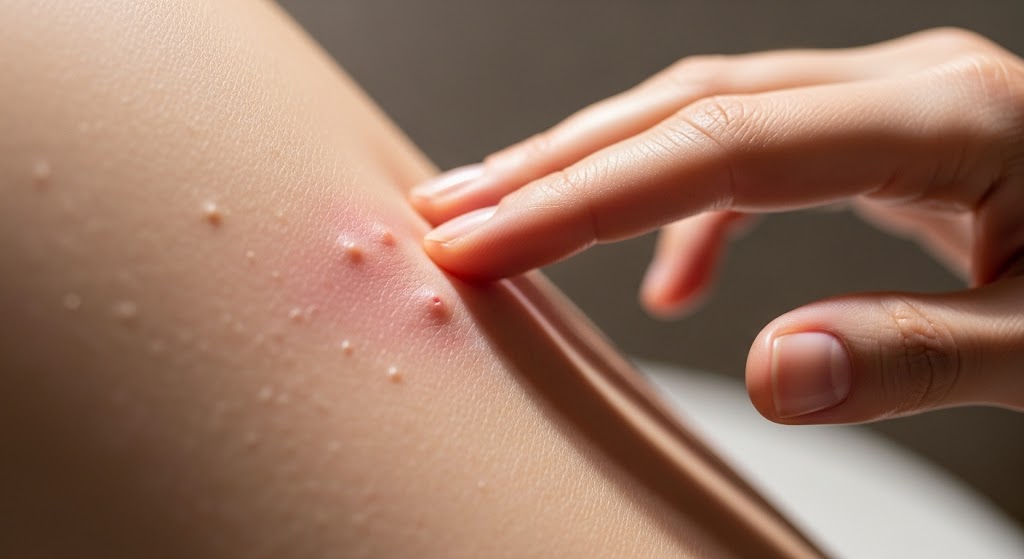
Ignoring proper aftercare can lead to avoidable complications. These include:
- Folliculitis (inflammation or infection of the hair follicle)
- Prolonged redness or swelling
- Scarring or hyperpigmentation from friction or pressure
- Delayed healing due to heat and moisture during sexual activity
These outcomes aren’t just cosmetic. They can be painful and interfere with future electrolysis sessions if skin integrity is compromised.
Post-Electrolysis Aftercare Tips Before Resuming Sex
Your post-treatment routine directly affects how soon you can resume intimacy. Key aftercare practices include:
- Keep the area clean and dry for 24–48 hours
- Avoid tight clothing or anything that may cause friction.
- Use antibacterial ointment if recommended by your technician.
- No hot baths, saunas, or heavy sweating within 24 hours.
- Apply cool compresses to reduce swelling and discomfort.
These steps are non-negotiable if you plan to be intimate shortly after treatment.
Signs Your Skin Is Ready for Sexual Activity Again

How do you know it's safe? Watch for these positive healing indicators:
- No visible redness or swelling.
- Skin feels smooth and pain-free to touch.
- No open follicles or lingering scabs.
- Zero sensitivity when applying pressure or during light contact.
If these signs are present, and you've followed proper aftercare, it’s usually safe to resume sex. But always listen to your body—discomfort is your cue to wait.
Is There a Difference Between Electrolysis on Genital Areas vs. Other Zones?
Yes, and it matters. Genital electrolysis comes with unique risks and a longer recovery timeline due to:
- Thinner, more vascular skin
- Increased friction during intercourse
- Greater moisture levels increase infection risk.
Compared to areas like the underarms or face, genital zones need more conservative care. Follow any tailored advice from your electrologist closely if your session was on or near sexual organs.
Talking to Your Partner About Waiting After Electrolysis
Communication can ease the tension around delaying sex post-treatment:
- Explain that the wait is about healing, not desire
- Let your partner know the timeline and how they can support your comfort.
- Consider non-penetrative intimacy or sensual alternatives until you're fully healed.
Being open helps maintain connection and sets expectations while prioritizing your aftercare.
Conclusion:
Electrolysis aftercare and sex don't have to be in conflict, but understanding how they interact is vital. A few days of patience can mean the difference between smooth, long-term results and complications that set you back. Take your healing seriously, stick to your aftercare routine, and know when your skin is ready for intimacy again.