
Many people reach for either gummies or liquid honey when they want a simple, sweet way to add nutrients or support their wellness routine. These two forms seem similar, but they work differently and fit different lifestyles.
Gummies offer a flavored, chewable option made from a mix of ingredients, while liquid honey is a natural product straight from the hive.
Each one absorbs differently, tastes different, and comes with its own benefits and drawbacks. Understanding how they compare can help you choose what works best for your needs.
This guide walks through the key differences so you can decide which option fits your daily habits and goals.
Gummies vs Liquid Honey: 10 Key Differences
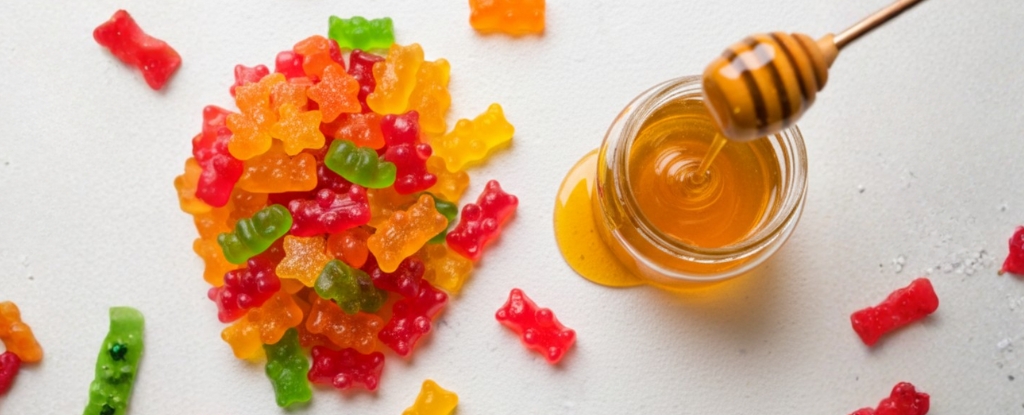
Gummies are soft, chewable supplements or treats made with gelatin or pectin. They often include sugars, flavors, and active ingredients depending on the product. Liquid honey is a natural syrup produced by honeybees and contains a mix of sugars, antioxidants, and trace nutrients. These two forms are often compared because they both offer sweetness, versatility, and simple everyday use.
Ingredients and Formulation
Gummies usually include a blend of sweeteners, flavorings, colors, and a base made from gelatin or pectin. Many also contain added vitamins or herbal extracts.
- Liquid honey comes naturally from the hive, without artificial ingredients. Its composition includes simple sugars, enzymes, and small amounts of minerals.
- Additives in gummies can extend shelf life, while honey rarely needs preservatives. Gummies are chewy and uniform. Honey is smooth and sticky, with a thickness that varies by floral source.
Absorption and Effectiveness
The body breaks down gummies through digestion. This can slow the absorption of any active ingredients mixed into them.
- Honey absorbs quickly because it is already made of simple sugars. It requires little digestion before entering the bloodstream.
- Onset tends to be slower with gummies. Honey’s natural form supports faster uptake. Bioavailability can vary based on the product, but honey often has an advantage due to its simplicity.
Usage and Convenience
Gummies are easy to use because each piece is ready to eat. They are small, portable, and spill-proof.
- Honey works well in drinks, foods, or by the spoonful. It offers more versatility but can be messy on the go.
- Gummies travel well and don’t require tools. Honey needs careful storage to avoid leaks and sticking.
Taste and Consumer Preference
Gummies come in many flavors. Their taste is controlled and consistent.
- Honey’s flavor depends on the flowers the bees visited. Some types are mild and sweet, while others are bold or earthy.
- Younger users often prefer gummies because of their candy-like appeal. Adults may lean toward honey’s natural profile.
Dosage Control

Each gummy contains a set amount of active ingredients, so dosing stays predictable.
- Honey must be measured manually. A spoonful varies from person to person.
- Gummies reduce the risk of taking too much. Honey can lead to under- or over-measuring if you’re not careful.
Health and Nutritional Considerations
Gummies often contain added sugars. Even when marketed as healthy, they may include syrups or sweeteners.
- Honey is higher in natural sugars but offers small amounts of antioxidants and micronutrients.
- Some gummies contain allergens like gelatin. Honey may cause reactions in people with pollen sensitivities. Dietary needs differ, and each form fits certain lifestyles better than others.
Shelf Life and Stability
Gummies can become sticky or dry out over time. Their stability depends on ingredient quality and packaging.
- Honey has a long shelf life. It may crystallize, but this is natural and does not mean it has gone bad.
- Heat, moisture, and storage conditions affect both forms, but honey generally stays stable longer.
Cost Differences
Gummies often have a higher price per serving because of added ingredients and processing.
- Honey can be cost-effective, especially when bought in larger containers.
- Value depends on how often you use each one and what benefits you want from them.
Pros and Cons Summary
Gummies offer:
- Easy portion control
- Portable use
- Reliable flavors for picky eaters
Liquid honey offers:
- Pure, natural ingredients
- Fast absorption
- Versatile use in food and drinks
Choose gummies if you need a simple, pre-measured option. Choose honey if you prefer natural ingredients and flexible use.
Conclusion
Gummies and liquid honey each have unique strengths, and your choice depends on taste, lifestyle, and how you prefer to manage your daily routine. By understanding how they differ in ingredients, absorption, convenience, and cost, you can choose the option that fits your needs best.