When it comes to male reproductive health, sperm quality plays a crucial role in fertility. Healthy sperm are necessary for successful conception, but factors such as age, lifestyle, and diet can affect sperm health. As men increasingly look for natural ways to improve their reproductive health, honey has gained attention for its potential benefits.
Honey, a natural substance known for its many health benefits, is being studied for its impact on sperm quality. Researchers have begun exploring how honey’s nutrients and antioxidant properties might support male fertility. Although more research is needed, preliminary evidence suggests that honey may offer valuable support for sperm health.
In this article, we’ll explore the evidence-based connection between honey and sperm quality, including its effects on sperm count, motility, morphology, and DNA protection. We’ll also look at the scientific research behind these claims, so you can understand how honey fits into the picture of male reproductive health.
Honey and Sperm Quality: 10 Key Benefits Backed by Science
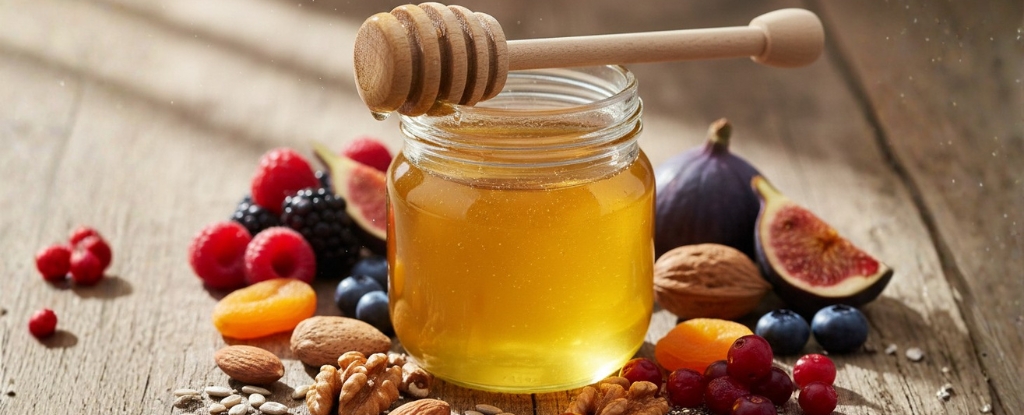
To understand how honey can benefit sperm health, it’s essential to look at its nutritional content. Honey is more than just a sweet treat. It contains a variety of nutrients that can support sperm development.
- Natural Sugars: Honey’s natural sugars, including fructose and glucose, provide energy for sperm cells. These sugars help sperm maintain energy levels and function properly, crucial for successful fertilization.
- Antioxidants: Honey is packed with antioxidants like flavonoids and phenolic compounds. These antioxidants help protect sperm from oxidative stress, which can lead to damage and reduced fertility.
- Trace Minerals: Honey contains important minerals such as zinc, selenium, and magnesium. These trace elements play key roles in sperm production and overall reproductive health.
- Vitamins: Honey is also rich in B-complex vitamins and vitamin C, both of which are important for sperm function. These vitamins support the health of sperm cells and help protect them from damage.
Antioxidant Properties of Honey and Sperm DNA Protection
Oxidative stress is a leading cause of sperm damage. It occurs when there are too many free radicals (reactive oxygen species) in the body, which can cause harm to sperm DNA and membranes. This damage can reduce sperm quality and impair fertility.
Honey’s antioxidant properties are one of its most important benefits for sperm health. The antioxidants in honey, including flavonoids and phenolic compounds, help neutralize free radicals and reduce oxidative stress. By doing so, honey protects sperm DNA and helps maintain the integrity of sperm cells.
The protective effects of honey extend to the sperm membrane as well. Research suggests that honey’s antioxidants help maintain the stability of sperm membranes, which is crucial for sperm survival and function.
Honey and Sperm Count
Sperm production, or spermatogenesis, is a complex process influenced by many factors. Research indicates that honey may have a positive impact on sperm count.
- Evidence from Animal Studies: Some animal studies have shown that honey can enhance sperm production. It’s believed that honey’s nutritional properties, including its vitamins and minerals, help support spermatogenesis.
- Human Studies: While more research is needed, some human studies have indicated that honey might help improve sperm count. Honey’s potential to influence hormones involved in sperm production may contribute to these benefits.
Honey’s ability to support a healthy sperm count makes it a potentially valuable part of a fertility-boosting diet.
Honey’s Effect on Sperm Motility
Sperm motility, or the ability of sperm to move, is another critical factor for successful fertilization. Sperm must swim through the female reproductive tract to reach and fertilize the egg. Without adequate motility, even healthy sperm may not be able to achieve this goal.
Honey’s energy-boosting properties may improve sperm motility. The natural sugars in honey, particularly fructose and glucose, provide sperm with the energy they need for movement. Additionally, the antioxidants in honey help maintain the function of the sperm’s flagellum, the tail-like structure responsible for movement.
These combined effects make honey a potential aid in improving sperm motility and fertility outcomes.
Honey and Sperm Morphology
Sperm morphology refers to the shape and structure of sperm. Abnormal sperm morphology can reduce fertility because it affects the sperm’s ability to fertilize an egg. Oxidative stress is often responsible for causing abnormal sperm shapes.
Honey may play a role in preserving normal sperm morphology. Its antioxidants protect sperm cells from oxidative damage, which helps maintain their proper structure. Some studies have suggested that honey’s protective properties may improve sperm morphology, contributing to better fertility outcomes.
Anti-Inflammatory Effects of Honey on Male Reproductive Function
Chronic inflammation can impair sperm quality and fertility. Inflammation in the reproductive organs, such as the testes and epididymis, can reduce sperm production and affect sperm function.
Honey contains several anti-inflammatory compounds, such as flavonoids, that can help reduce inflammation. By reducing inflammation, honey may protect the male reproductive system and support healthy sperm production.
These anti-inflammatory effects make honey a potential natural remedy for improving overall reproductive health.
Types of Honey Studied for Sperm Quality
Not all honey is the same, and different types may offer varying benefits for sperm quality. The type of honey you consume can make a difference in its impact on reproductive health.
- Raw Honey vs. Processed Honey: Raw honey, which has not been heated or processed, retains more of its natural nutrients and antioxidants. For maximum benefits, it’s best to choose raw honey.
- Manuka Honey: Manuka honey, known for its potent antibacterial properties, has been studied for its potential effects on reproductive health. Some research suggests that Manuka honey may improve sperm quality by reducing inflammation and oxidative stress.
- Tualang Honey: Tualang honey, sourced from Malaysian honeybees, has also been investigated for its effects on sperm quality. Early studies show promising results, particularly in improving sperm motility and morphology.
Choosing high-quality honey, such as raw or Manuka honey, may offer more significant benefits for sperm health.
Scientific Evidence Linking Honey to Improved Sperm Quality
Scientific studies have explored the potential link between honey and improved sperm quality, with promising results. Many animal studies have shown that honey can improve sperm count, motility, and morphology. However, while animal studies provide valuable insights, human clinical trials are still limited.
- Animal Studies: Animal studies have consistently shown that honey enhances sperm production, motility, and morphology, often by supporting antioxidant defense and reducing oxidative stress.
- Human Studies: Although fewer studies have been conducted on humans, some observational studies have shown that men who consume honey have better sperm quality compared to those who do not.
While more clinical research is needed to confirm these findings, the current body of evidence supports the idea that honey may offer benefits for male reproductive health.
Recommended Intake and Safety Considerations
When adding honey to your diet for sperm health, it’s important to consume it in moderation. Studies typically use small to moderate amounts of honey, such as one to two teaspoons daily. Consistent consumption over a period of weeks or months may yield noticeable improvements in sperm quality.
- Dosage: Start with 1–2 teaspoons per day, either on its own or mixed into food or drinks.
- Safety: Honey is generally safe for most people. However, individuals with allergies to honey or bee products should avoid it. If you have a health condition like diabetes, it’s best to consult your doctor before consuming honey regularly.
Conclusion
Honey offers a range of potential benefits for sperm quality, from improving sperm count and motility to protecting sperm DNA. While it may not be a cure-all, honey can be a valuable addition to a fertility-friendly diet. As a natural source of antioxidants, vitamins, and minerals, it supports sperm health in a complementary way.
However, it’s important to note that honey should be seen as part of a broader approach to fertility. A balanced diet, regular exercise, and overall healthy lifestyle are key factors in supporting reproductive health.