Smoking impairs the immune system and delays healing, increasing infection risk at wound sites. Just one cigarette reduces nutrient delivery for post-surgery recovery. After surgery, The lungs are damaged by smoking, reducing airflow and increasing the risk of post-surgical complications.
Smoking affects blood flow and oxygenation, causing artery spasms and narrowing vessels. This hinders blood, nutrients, and medication access to wounds, impeding healing.
Carbon monoxide and hydrogen cyanide inhibit oxygen transport and cellular functions during wound repair. Adequate oxygenation is crucial for tissue perfusion in recovery.
In this blog post, we will discuss how smoking affects the healing process after surgery and the essential facts about smoking after surgery.
How Does Smoking Affect The Healing Process After Surgery: 9 Important Facts
It is essential to know that smoking can hinder your body's healing process, especially after surgery. It can significantly affect your body's ability to heal. Here are some facts you should know about smoking's effect on healing after surgery:
Delayed Healing
One of the most common effects of smoking is the delayed healing of wounds. Nicotine present in cigarettes restricts blood vessels, reducing the flow of blood and oxygen to the surgical site. This can severely affect the healing process and cause complications, such as wound infections, scarring, and poor healing.
Weaker Immune System
The immune system is weakened by smoking, making it difficult for the body to fight infections that may arise after surgical procedures. The presence of a weakened immune system increases the likelihood of wound infections, pneumonia, and sepsis.
Decreased Oxygen Supply
The presence of carbon monoxide in the body causes the blood to replace oxygen with carbon monoxide, which can cause a reduced supply of oxygen to the body. Lack of oxygen can cause complications such as tissue death, wound infections, and slow healing.
Poor Blood Circulation
Cigarettes contain nicotine, which narrows blood vessels, making it more difficult for blood to circulate the body. Complications of poor blood circulation include increased risk of blood clots, tissue death, heart attacks, and strokes.
Increased Risk of Infection
Smoking causes a decrease in the body's ability to fight off infections. This can make it more difficult for your body to fight off infections that may occur after surgery.
Respiratory Complications
Smoking has a severe impact on the respiratory system. It can cause chronic bronchitis, emphysema, and chronic obstructive pulmonary disease (COPD). Which can make recovery from surgery more challenging. These respiratory complications can lead to lung infections, wheezing, coughing, and breathing difficulties.
Cardiovascular Complications
Blood pressure, heart attacks, and strokes are all significantly increased by smoking. These complications can severely affect recovery following surgery and may cause significant health repercussions.
Blood Clot Formation
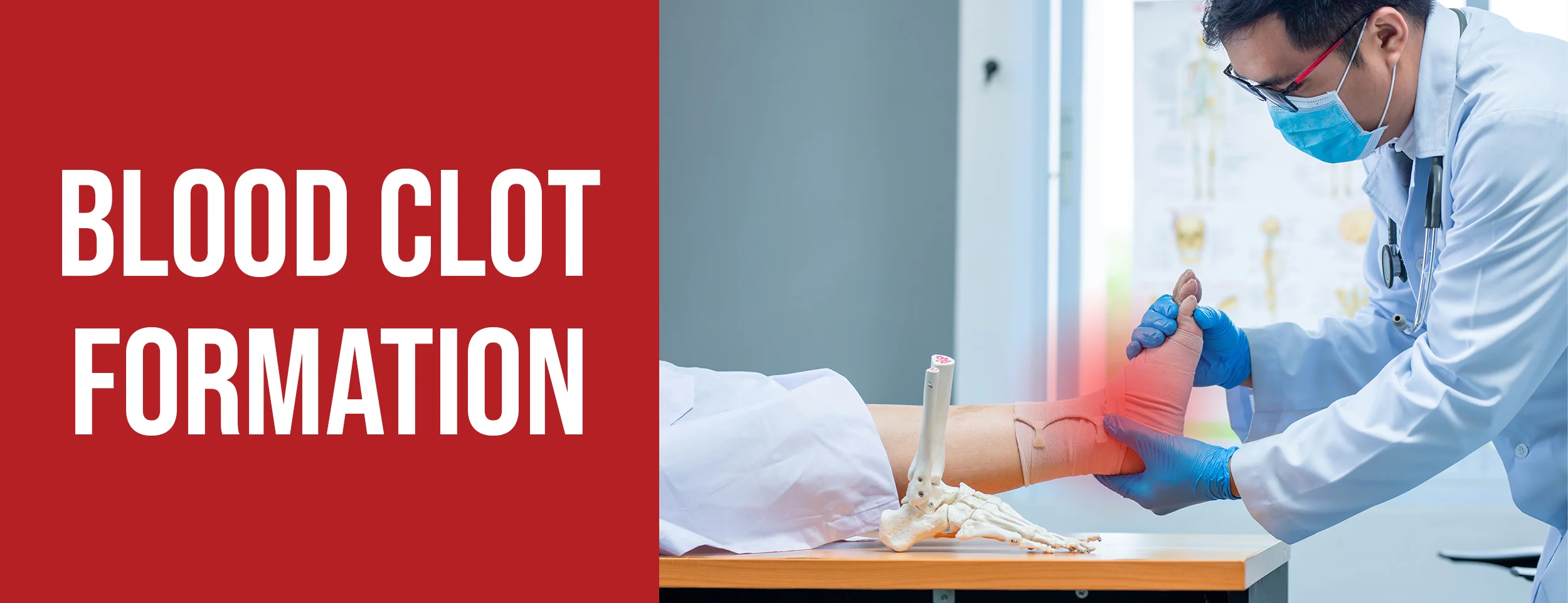
Nicotine in cigarettes can cause blood clot formation, which adversely affects the healing process following surgery. The blood clots can block the blood vessels, causing reduced blood flow and oxygen supply.
Bones May Not Heal
Smoking is highly detrimental to healing after surgery on the bones of the foot or ankle, primarily if the surgery is performed on the bones, which is called a nonunion.
Currently, research shows that smokers may have a 2-100 times greater risk of wound complications after surgery and nonunion following surgery compared to those who do not smoke.
Conclusion
The effects of smoking on the healing process can be devastating after surgery. It can delay healing, increase the risk of infection, and cause other post-operative complications. Smokers need to understand the importance of quitting smoking or at least reducing it temporarily to assist in the healing process.
It is highly recommended for smokers to speak to their doctors before and after surgery to develop a plan to help in their post-operative recovery. With the right mindset, guidance, and the correct information, a smoker can give themselves the best chance of recovery and a speedy return to a healthy life.