Regularly cleaning a nipple piercing is vital to prevent infections and aid healing. Cleanliness lowers complications risk, ensuring effective recovery. Infection risk is high without proper cleaning precautions.
To clean nipple piercings, gently rinse the area with warm water for at least 10 minutes to remove any crusty residue. Afterward, pat the nipple dry with a clean paper towel. Alternatively, soak the nipple in a saltwater solution with a half-teaspoon of sea salt and warm water.
In this blog post, we'll explore how to clean your nipple piercing step-by-step information and provide guidance on nipple piercing aftercare.
How To Clean Nipple Piercings: 3 Essential Steps
Proper care is vital for the healing process of your piercings. Discover the essential steps to maintain cleanliness and prevent infections. From rinsing and soaking to drying and protecting, these straightforward yet effective practices will keep your piercings healthy and free from issues.
Step 1: Clean the Piercings
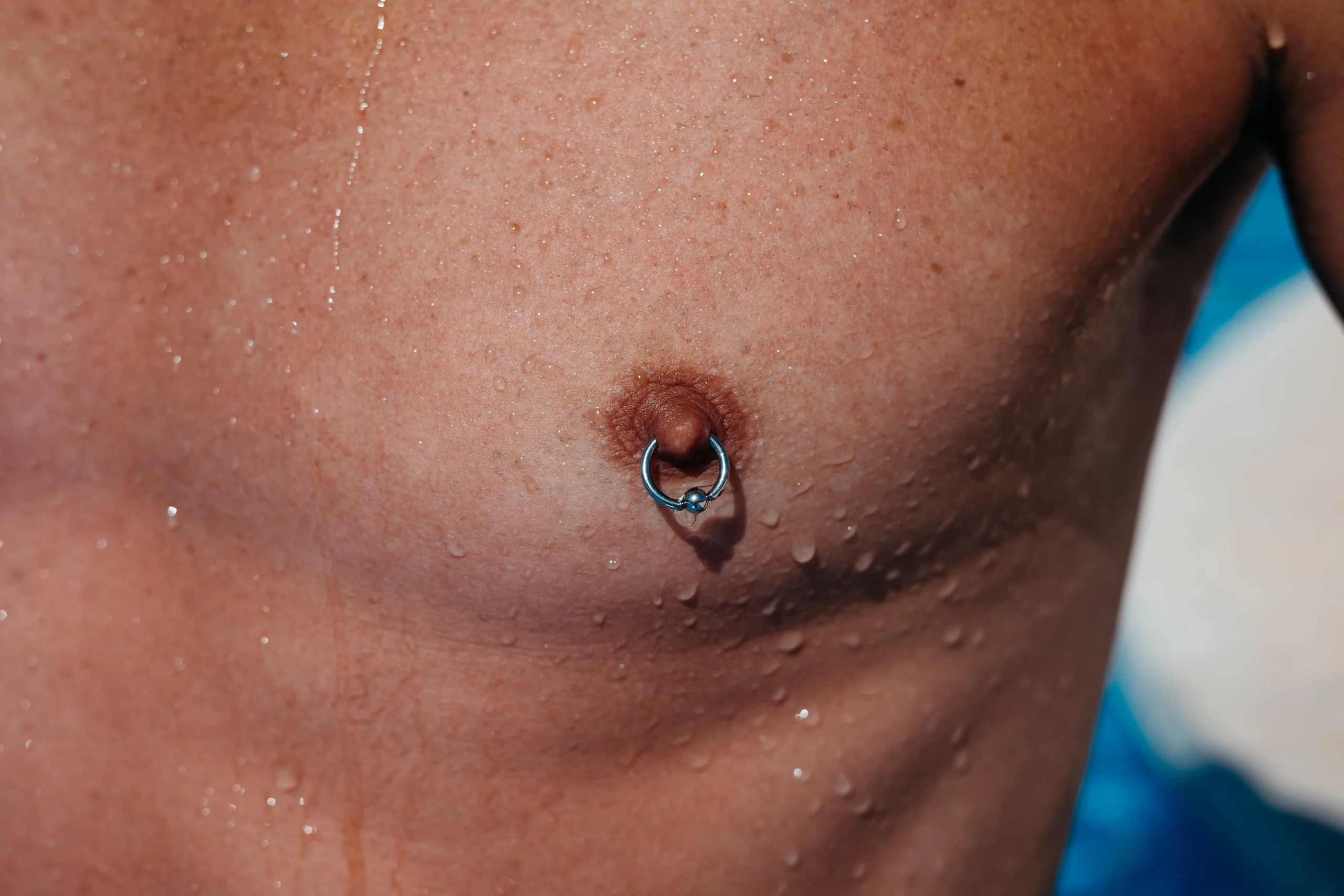
The first step in caring for your nipple piercings is soaking them. This process helps to ease swelling, inflammation, and irritation. It also promotes faster healing. But what's the right way to wash your piercings? Let's explore this crucial topic.
Hand Hygiene
Hand hygiene must be emphasized in piercing aftercare. Always remember to:
- Handwashing Before Piercings: This practice can prevent germs from being transferred from your hands to the piercing site. This crucial step ensures that the risk of infection is minimized, allowing for a smooth and successful healing process.
- Hand Washing After Piercings: Cleansing the piercing site thoroughly after piercing ensures optimal cleanliness and hygiene, removing any bacteria or debris that might have accumulated. If you follow this practice diligently, your piercing will remain healthy and long-lasting.
Solution Preparation
Creating a soaking solution for your piercings is quite simple:
- Prepare Your Solution: Mix 1/4 teaspoon of non-iodized sea salt or saline solution with 8 ounces of warm (not hot) distilled or bottled water.
- Apply the Solution: Soak a clean gauze or cloth and gently apply it to your piercings. Alternatively, pour the solution into a clean cup or container and submerge your nipple in it.
- Soak the Piercing: Allow your piercing to soak in the solution for at least 10 minutes.
Frequency and Duration
- Daily Soaks: Ideally, soak your piercings once a day. This routine helps to keep the area clean and reduces the risk of infection.
- Duration of Each Soak: Each soaking session should last approximately 5-10 minutes. This duration is enough to soften and remove any crust or debris around the piercing.
Benefits of Soaking Your Nipple Piercings
Soaking your piercings in a sea salt or saline solution offers several benefits:
- Alleviates Swelling and Inflammation: The soak helps to reduce swelling and inflammation around the piercing site, promoting faster healing.
- Eases Irritation: A soak can provide relief if your piercings feel itchy or irritated.
- Promotes Cleanliness: The soak helps to keep your piercings clean, reducing the risk of infection.
Step 2: Drying the Piercings
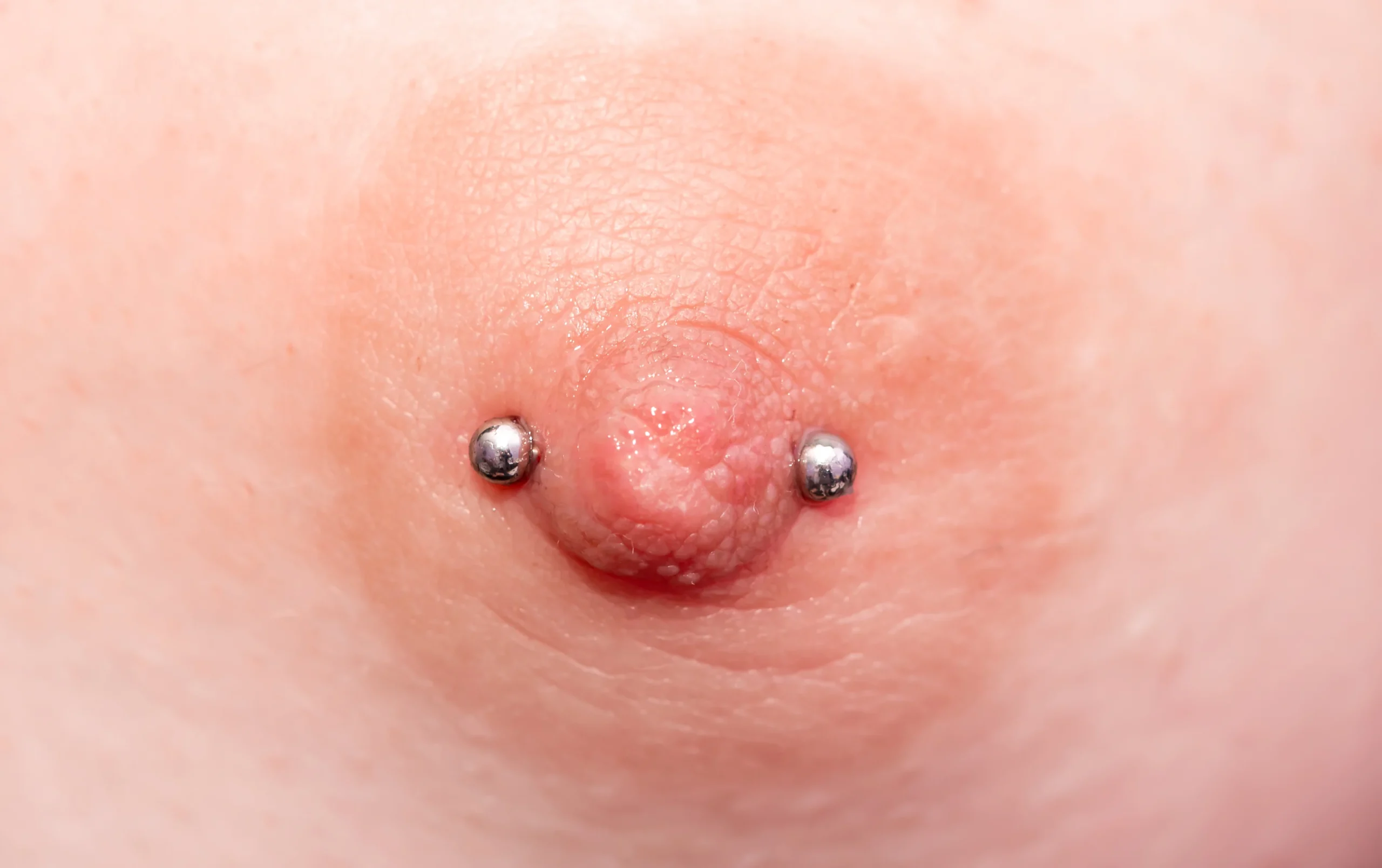
After cleaning your nipple piercings, it's essential to dry them properly. This step is crucial for several reasons.
Keeping Piercings Dry
Humidity and moisture can foster bacteria and other harmful microorganisms to thrive. These conditions can lead to infections, possibly requiring medical attention. Therefore, it is vital to keep your nipple piercings as dry as possible.
Drying Techniques
To dry your nipple piercings, you have two options. Proper drying ensures nipple piercing health and hygiene.
- Using a Clean Cotton Towel: Pat the area around the piercing with a clean towel. Avoid rubbing or dragging the paper towel across the skin, which can irritate.
- Air Drying: If you have the time, allowing your piercings to air dry is an excellent option. It's the most gentle method and reduces the risk of introducing any foreign particles that could be present in a paper towel.
No matter what method you choose, remember to be gentle. The skin around your piercings can be sensitive, especially during the initial healing period.
Preventing Bacterial Growth
Drying your nipple piercings after cleaning is crucial in preventing bacterial growth. When you leave your piercings wet, you provide bacteria with a conducive growing environment.
By keeping the area dry, you're depriving these potential germs of a place to thrive, significantly reducing the risk of infection.
Step 3: Protecting the Piercings
After your nipple piercings are clean and dry, the next step is to protect them. This involves mindful practices to ensure they remain undisturbed during the healing process.
Avoiding Certain Activities

Certain activities might cause harm to your new nipple piercings. Here are a few things you should avoid:
- Physical Activity: High-impact sports or activities that cause excessive sweating can irritate the piercing and slow the healing process.
- Swimming: Swimming pools, hot tubs, and natural water bodies might harbor bacteria, which can cause infections.
- Sleeping on Your Stomach: This can unnecessarily pressure your piercings, causing discomfort and disrupting healing.
The Right Clothing
The type of clothing and bras you wear can significantly affect the healing process of your nipple piercings. Here are a few tips:
- Clothing: Opt for loose-fitting clothing made from breathable fabrics. Tight clothes can cause friction against your piercings, which may lead to irritation.
- Bras: Choose bras made from soft, breathable materials. Some people find that wearing a sports bra or crop top provides comfortable support without putting too much pressure on the piercings.
Preventing Damage
Proper protection of your nipple piercings prevents potential damage caused by friction, snagging, or trauma. This means being mindful of how you move, what you wear, and even how you sleep.
Preventing damage is critical to ensuring a smooth healing process. Any disturbance can cause discomfort, prolong the healing period, or even lead to complications such as infection or piercing rejection.
Conclusion
That concludes our comprehensive guide to cleaning and caring for your nipple piercings! It's crucial to prioritize thoroughness and consistency in your aftercare routine. Remember, diligent and regular care is vital to maintaining their health and longevity.
These simple steps can help ease common complications like swelling, inflammation, and irritation, from rinsing to drying to protecting. It's all about preventing bacterial growth while encouraging healthy healing.
The proper care will ensure that your nipple piercings heal well and look great. It may be extra work, but trust us when we say it’s all worth it.