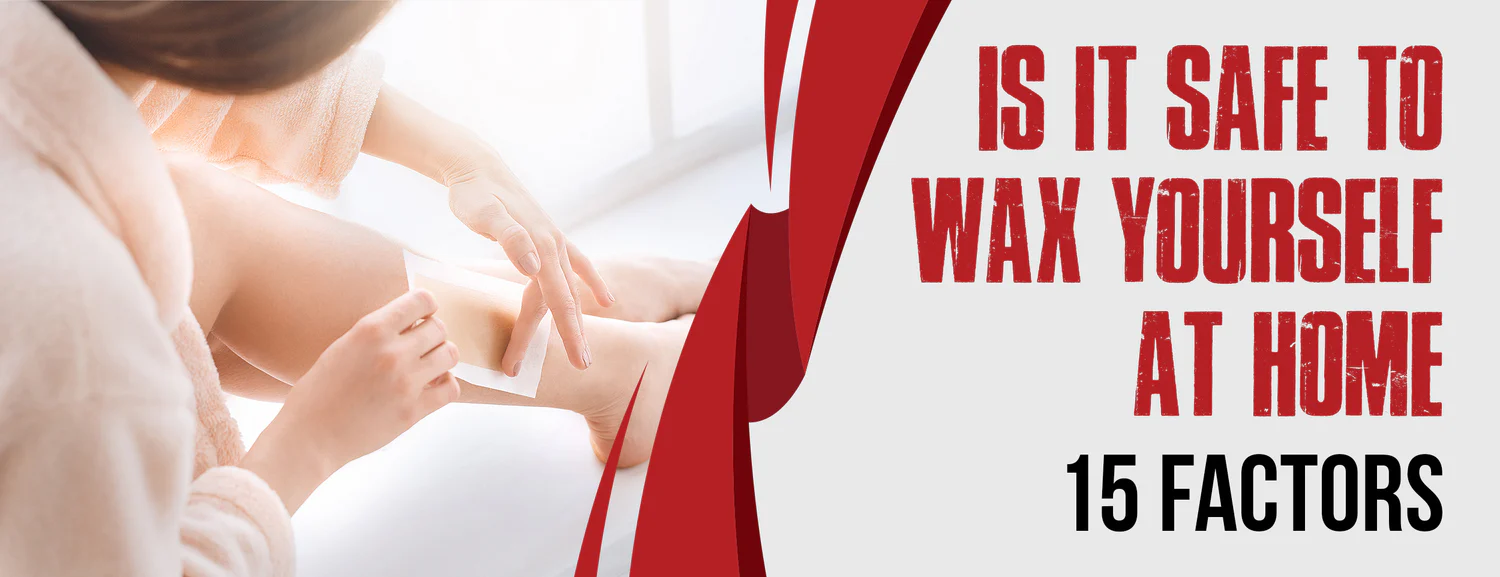
It's recommended to leave waxing to professionals because of potential risks like burns, infections, ingrown hairs, and rashes. For safety, consider professional care for waxing instead of doing it at home.
Yes, waxing yourself at home can be risky if not done correctly. It's crucial to use the right products, prep your skin properly, and follow all steps to avoid injury or damage. For best results and safety, it's recommended that professionals wax.
In this post, we will provide a comprehensive overview of the risks associated with waxing yourself at home, safety precautions, and tips on minimizing these risks.
Is It Safe To Wax Yourself At Home: 4 Major Risks
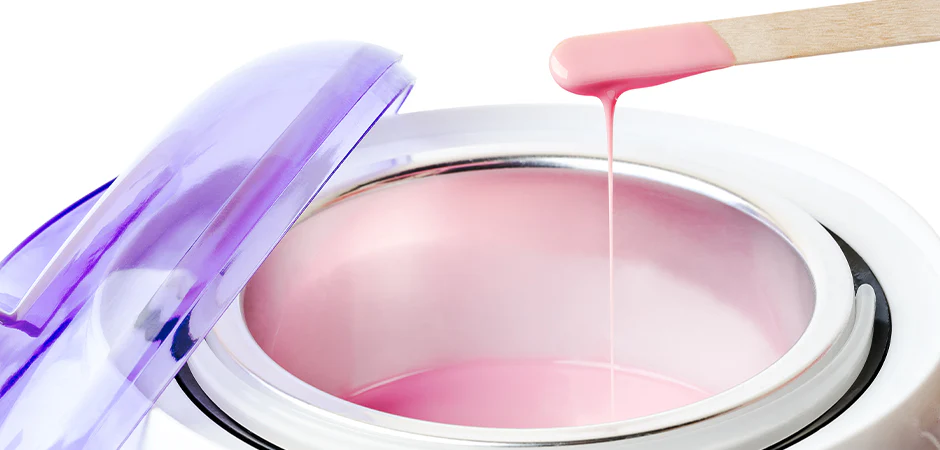
Waxing at home is a great idea to save time and money. It comes with several risks you should know. Let's inspect some of the major dangers.
Skin Burns and Blisters
Waxing yourself can cause burns and blisters if you overheat the wax or apply it too hot.
- Overheating Wax: The wax can become too hot and burn your skin.
- Sensitive Skin: Sensitive skin may take longer to heal from burns and blisters.
- Poor Instructions: Many kits need more straightforward instructions, making burns more likely.
Skin Irritation
Another common risk is skin irritation, which can make your skin red, swollen, and itchy.
- Sensitive Skin Types: Some skin types are more likely to get irritated.
- Quality of Wax: Low-quality wax can irritate.
- Repeated Use: Multiple waxings can strip the skin of its natural barrier, leading to irritation.
Allergic Reactions
Waxing can cause allergic reactions, especially if the waxing kit has harsh chemicals.
- Harsh Chemicals: Some waxes contain chemicals that can trigger allergies.
- Severe Reactions: A severe reaction like anaphylactic shock could occur in extreme cases.
- Ingredient Checks: Always read the ingredients list carefully and consult a dermatologist.
Improper Hair Removal
Improper hair removal can lead to ingrown hairs, broken hair follicles, and patchy hair growth.
- Wrong Temperature: If the wax is not at the right temperature, it may not remove hair properly.
- Uneven Hair Growth: Hair that is too long can break at the surface, causing uneven growth.
- Technique Matters: Misusing the wax can cause improper hair removal.
You Can Wax Yourself at Home: 8 Precautions & Safety Measures
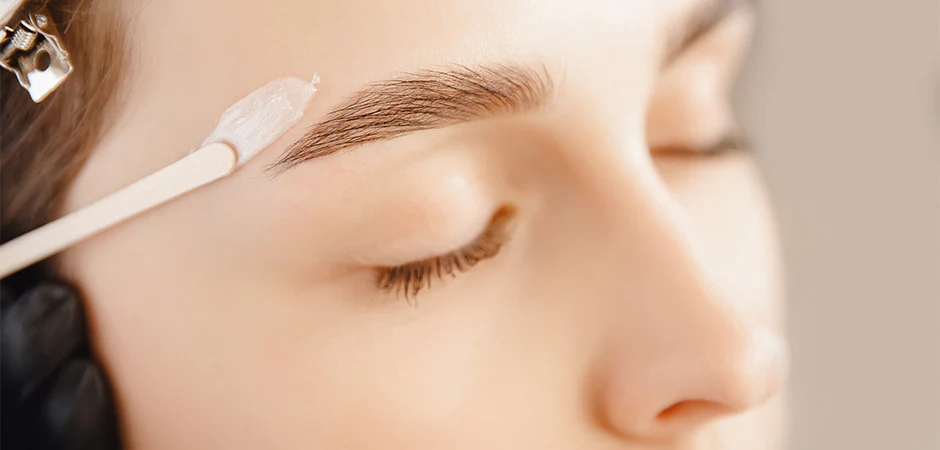
Waxing at home can save time and money, but it requires careful attention to detail. Here are essential safety measures to consider for a safer waxing experience.
Familiarize Yourself with the Process
Before you start, make sure you understand how to wax properly. Mistakes made due to lack of knowledge might hurt your skin.
- Cut Hair First: Trim your hair to about a quarter-inch long for best results.
- Exfoliation: Exfoliate your skin to remove dead skin cells. Wax sticks better to hair when this is done.
- Drying: Ensure your skin is dehydrated before you apply wax. Moisture can prevent the wax from sticking correctly.
Conduct a Skin Patch Test
Make sure you always perform a patch test to ensure the wax is safe for your skin.
- Test Area: Apply a small amount of wax to a tiny body part.
- Wait 24 Hours: Check for adverse reactions, such as redness or itching. If there are no problems, you can proceed.
Check Your Skin Type
Your skin type helps you choose the right product, suitable wax, and method.
- Sensitive Skin: A wax may irritate sensitive skin might irritate. Use waxes designed for sensitive skin.
- Skin Conditions: Avoid waxing areas with conditions like eczema or psoriasis, as waxing can worsen them.
Clean Your Skin Thoroughly
Clean skin ensures better results and reduces the risk of infection.
- Use Soap or Body Wash: Cleanse your skin, removing dirt, oil, and dead skin cells.
- Avoid Alcohol-Based Products: Alcoholic beverages can be harmful, irritate, and dry out your skin.
Use the Right Products
Selecting the right products is vital to a safe and effective waxing experience.
- Skin-Specific Wax: Choose a wax designed for your skin type and the area you are waxing.
- Quality Kit: Invest in a good-quality waxing kit with tools like spatulas and strips.
Control the Temperature
Maintaining the correct wax temperature is crucial to avoid burns.
- Follow Instructions: Adhere to the manufacturer’s guidelines for heating the wax.
- Temperature Check: Test the wax temperature on a small area before applying it to larger areas.
Be Gentle with Your Skin
Handle your skin with care during the waxing process to prevent damage.
- Gentle Pressure: Don’t apply too much pressure when spreading the wax.
- Careful Removal: Remove the wax gently to avoid bruising or inflammation.
How to Minimize Risks and Challenges: 4 Tips
Waxing at home comes with several risks and challenges. You can stay safe and enjoy at-home waxing with these tips.
Cautious in Temperature Control
When waxing yourself at home, temperature control is crucial. Hot wax can easily burn your skin if it's too hot. To avoid burns:
- Follow the instructions on the wax packaging.
- Test the wax on a small skin patch before using it more widely.
- Check the wax's temperature with a thermometer.
Ensuring the wax is at the right temperature helps prevent burns and makes the process safer.
Keep Skin Dry and Clean
Before you start waxing at home, ensure your skin is clean and dry. Moisture can make the wax harder to stick and cause skin irritation. To prepare your skin:
- Wash the area with mild soap.
- Dry the skin with a clean towel.
- Avoid using lotions or oils before waxing.
Keeping your skin dry and clean helps the waxwork better and reduces the risk of infections caused by bacteria.
Seek Professional Assistance (If Required)
If you're unsure how to wax yourself, have sensitive skin, or have had skin problems before, it's best to get help from a professional. An esthetician can:
- Help minimize injuries and infection risks.
- Choose the correct type of wax for your skin.
- Give you personalized advice for your skin type.
Getting help from a professional ensures a safer and more effective waxing experience.
Regularly Check Your Skin to Avoid Infections
After waxing at home, regularly check your skin for signs of infection. Look out for:
- Redness.
- Swelling.
- Tenderness.
- Pus.
These signs might mean that bacteria have entered the hair follicles. If you see any of these symptoms, seek medical help immediately to prevent further problems.
Conclusion
Self-waxing is safe at home if you take precautions and follow safety guidelines. Remember to familiarize yourself with the process, conduct a skin patch, check your skin type, and always use the right products. Controlling the temperature and avoiding double-dipping are also crucial steps in minimizing risks.
If at any point you're unsure or face complications, seeking professional help is the best route. By being cautious and attentive, you can enjoy the benefits of smooth, hair-free skin without compromising your safety.