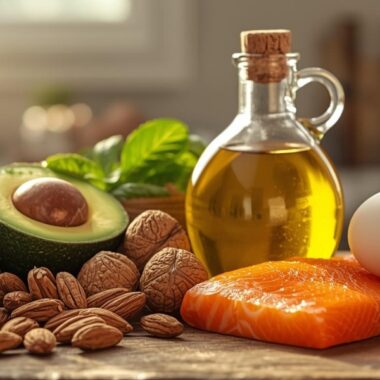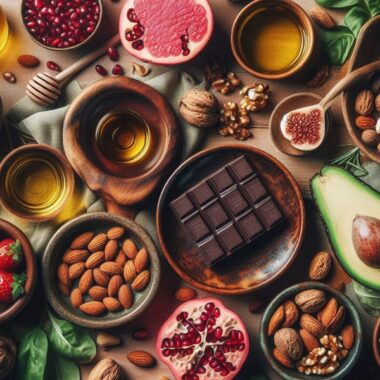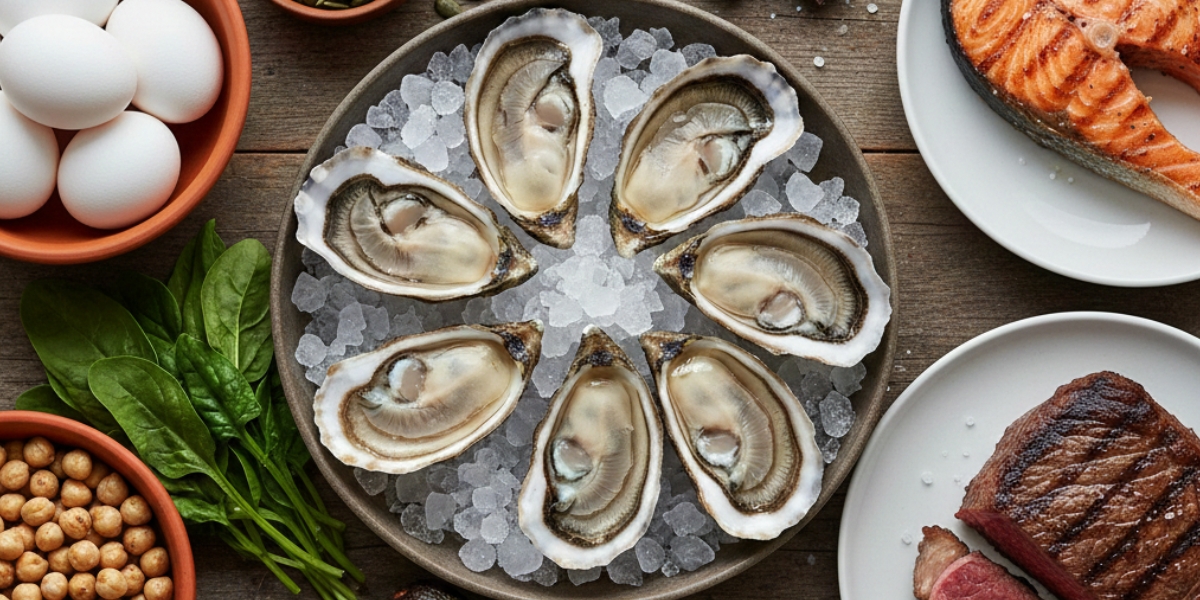
Testosterone affects far more than muscle and libido. It plays a role in energy, mood, focus, bone strength, and long-term health. What you eat every day has a direct impact on how well your body produces and uses this hormone.
Testosterone diet tips focus on giving your body the nutrients, calories, and balance it needs to support natural hormone production. When the diet is right, testosterone levels are more stable, cortisol stays in check, and overall health improves. Poor food choices can quietly push levels down over time.
In this guide, you will learn which nutrients matter most, how to balance macros, which foods help or harm testosterone, and how to apply these tips in real life.
Testosterone Diet Tips: 10 Nutrition Factors That Matter

Testosterone plays a key role in energy, strength, mood, and overall health. What you eat directly affects how well your body produces and uses this hormone. The right nutrition choices can support natural testosterone levels, while poor dietary habits may quietly reduce them over time.
Micronutrients act as switches and signals that allow testosterone to be made and regulated properly. Even small deficiencies can cause noticeable drops.
Zinc
Zinc is one of the most important minerals for testosterone. It helps convert cholesterol into testosterone and limits the conversion of testosterone into estrogen.
Men who are low in zinc often see large drops in testosterone over time. Replenishing zinc improves levels most strongly in those who are deficient.
Key zinc sources include:
- Oysters
- Beef
- Pumpkin seeds
- Cashews and other nuts
Aim for 15 to 30 mg daily from food and supplements combined.
Vitamin D
Vitamin D acts like a hormone in the body. It supports the cells in the testes that produce testosterone and helps lower SHBG, which frees up usable testosterone.
Low vitamin D is very common, especially in people who spend little time in sunlight.
Best sources include:
- Salmon, tuna, and mackerel
- Egg yolks
- Fortified dairy or plant milks
- Sun exposure
An intake of 3,000 to 5,000 IU daily has been shown to raise testosterone in deficient men.
Magnesium
Magnesium supports testosterone in several ways. It lowers SHBG, improves sleep quality, and supports enzyme activity involved in hormone production.
Poor sleep alone can significantly reduce testosterone, making magnesium especially valuable.
Food sources include:
- Spinach and kale
- Almonds
- Dark chocolate
- Avocados and beans
A daily intake of 300 to 450 mg is ideal.
Vitamin B6
Vitamin B6 helps regulate prolactin, a hormone that can interfere with testosterone when elevated. It also supports protein metabolism and energy production.
Good sources include:
- Avocados
- Chickpeas
- Leafy greens
- Chicken
Boron
Boron is a trace mineral that influences how testosterone is metabolized and may help protect it from breakdown.
Dietary sources include:
- Avocados
- Nuts
- Dried fruits
- Legumes
Macronutrient Ratios for Optimal Testosterone
Calories matter, but where those calories come from matters just as much.
Dietary Fat
Dietary fat provides the raw material for testosterone production. Diets that are too low in fat consistently reduce testosterone.
Key guidelines include:
- 25 to 40 percent of daily calories from fat
- Aim for around 30 percent for most people
- Never drop below 20 to 25 percent
Best fat sources include:
- Avocados
- Olive oil
- Nuts and seeds
- Fatty fish
- Coconut oil
Protein
Protein supports muscle repair and hormone synthesis, but too much can backfire by raising cortisol.
Smart protein intake looks like:
- 1.6 to 2.2 grams per kg of body weight
- Avoid exceeding 3.4 grams per kg
Quality protein sources include:
- Lean beef
- Chicken
- Fish
- Eggs
- Tofu and legumes
Carbohydrates
Carbohydrates support testosterone by lowering stress hormones and fueling workouts. Very low-carb diets often suppress testosterone over time.
Best practices include:
- 45 to 60 percent of daily calories
- Focus on complex carbs only
Choose foods like:
- Whole grains
- Fruits
- Vegetables
- Beans and lentils
Avoid refined sugars and white flour products.
Top Testosterone-Boosting Foods

Certain foods provide multiple nutrients that directly support hormone health.
Shellfish and Fish
Oysters are the richest natural source of zinc. Fatty fish also provide vitamin D and omega-3 fats.
Aim for:
- Oysters regularly if possible
- Fatty fish 2 to 3 times weekly
Leafy Green Vegetables
Leafy greens are rich in magnesium and support estrogen balance through fiber.
Best options include:
- Spinach
- Kale
- Swiss chard
- Collard greens
Daily intake is ideal.
Cruciferous Vegetables
These vegetables help reduce excess estrogen, allowing testosterone to work more effectively.
Include regularly:
- Broccoli
- Cauliflower
- Brussels sprouts
- Cabbage
Eat them 3 to 4 times per week.
Eggs
Whole eggs support testosterone better than egg whites alone due to fat-soluble nutrients.
They provide:
- Vitamin D
- Protein
- Selenium
- Choline
Avocados
- Avocados supply healthy fats, magnesium, boron, and vitamin B6.
- One avocado per day fits well into a testosterone-supportive diet.
Nuts and Seeds
Nuts and seeds provide zinc and magnesium in convenient portions.
Good choices include:
- Almonds
- Pumpkin seeds
- Cashews
A one-ounce serving daily is enough.
Cocoa and Dark Chocolate
- Dark chocolate provides magnesium and flavonoids that reduce inflammation.
- Choose chocolate with at least 70 percent cocoa.
Pomegranate
- Pomegranate helps lower cortisol and supports testosterone production.
- Fresh fruit or pure juice used a few times per week works well.
Onions and Garlic
- These foods contain compounds that stimulate testosterone and support reproductive health.
- Both raw and cooked forms are effective.
Legumes and Beans
- Legumes provide plant protein along with zinc and magnesium.
- They also support overall metabolic health.
Testosterone-Boosting Herbs and Spices
Some herbs support testosterone indirectly by improving stress response and hormone signaling.
Ginger
- Ginger boosts luteinizing hormone and reduces oxidative stress.
- Use it daily in cooking or tea.
Fenugreek
- Fenugreek contains compounds that support testosterone and strength.
- Studies show benefits with 500 to 600 mg daily over several weeks.
Ginseng
- Ginseng supports stress resilience and luteinizing hormone production.
- Red ginseng has shown modest testosterone increases.
Ashwagandha
- Ashwagandha lowers cortisol, which helps preserve testosterone.
- Benefits are often seen after 8 weeks of use.
Additional Herbs
- Other supportive options include forskohlii root and shilajit, both of which support energy and hormonal balance.
Foods and Substances to Strictly Avoid
Some foods actively suppress testosterone and should be limited or removed.
High-Processing and Trans Fats
Processed and fried foods lower testosterone quickly.
Avoid:
- Fast food
- Packaged baked goods
- Microwave popcorn
Soy Products
- Soy contains phytoestrogens that may suppress testosterone in large amounts.
- Occasional intake is fine, but avoid heavy use.
Full-Fat Dairy from Pregnant Cows
- These products may contain higher estrogen levels.
- Choose low-fat dairy or fortified plant alternatives.
Refined Carbohydrates and Sugar
- Sugar and refined carbs increase fat gain and suppress testosterone.
- Stick to whole-food carb sources.
Mint
- Spearmint and peppermint may lower testosterone.
- Limit mint teas, candies, and gum.
Licorice
- Licorice interferes with testosterone-producing enzymes.
- Check labels carefully.
Alcohol
- Heavy or frequent drinking damages testosterone production.
- Keep intake occasional and moderate.
High Caffeine Intake
- Excess caffeine raises stress hormones.
- Limit intake to 100 to 200 mg daily and avoid late-day use.
Caloric Intake and Meal Timing

Calories and timing play a major role in hormone health.
Calorie Balance
Chronic calorie restriction lowers testosterone even in lean individuals.
Key guidelines include:
- Maintain calories or a slight surplus
- Avoid long-term deficits over 40 percent
- Aim for adequate energy daily
Meal Timing
Balanced meals around training help support hormone output.
Helpful habits include:
- Protein and carbs before workouts
- Protein and carbs after workouts
- Regular meals throughout the day
Fasting can raise testosterone during testing, but is not ideal for long-term production.
Weight Management
- Healthy body weight supports healthy testosterone.
- Losing excess body fat improves levels, while being underweight can suppress them.
Dietary Patterns Supporting Testosterone
Overall diet patterns matter more than single foods.
Mediterranean Diet
- This eating pattern is rich in anti-inflammatory foods and healthy fats.
- It supports testicular function and long-term hormone balance.
Balanced Macronutrient Approach
- A flexible balance of protein, fats, and complex carbs works best.
- Adjust intake based on activity level and individual response.
Supplementation Guidelines
Supplements can help when diet alone falls short.
When Dietary Intake Is Insufficient
Common supportive supplements include:
- Vitamin D3 with K2
- Magnesium glycinate or citrate
- Zinc citrate or picolinate
Testing levels before supplementing is strongly recommended.
Herbal Supplements
- Fenugreek, ashwagandha, and ginger may be useful when guided by a healthcare provider.
- Always review supplements with a professional.
Practical Application Summary
Turning knowledge into action is what matters most.
Daily and weekly habits to focus on:
- Eat zinc-rich foods several times per week
- Get sunlight or vitamin D regularly
- Include leafy greens and healthy fats daily
- Balance protein, carbs, and fats at each meal
- Avoid trans fats, excess sugar, and heavy alcohol
Consistency over time creates results.
Validation Through Research
These testosterone diet tips are supported by peer-reviewed studies from respected medical and nutrition journals. The evidence consistently shows that nutrition, calorie balance, and food quality directly affect testosterone production and regulation.
Conclusion
Testosterone responds strongly to how you eat, not just how you train or age. By focusing on nutrient-rich foods, balanced macros, proper calories, and avoiding known suppressors, you create an environment where testosterone can thrive naturally. Small daily choices add up to meaningful hormone support over time.