You first need a plan when your partner suddenly suffers a minor burn. That moment of shock can feel overwhelming. It’s easy to doubt yourself or hesitate, unsure if your next step might cause more harm than good.
You can respond correctly, even under pressure, by following a clear set of steps designed for these situations. Knowing what to do in those first few minutes can make all the difference in healing and comfort.
This article will walk you through recognizing a minor burn quickly, the immediate actions that help, and what to avoid. You’ll also learn how to support your partner physically and emotionally and create a plan for safe and effective home care.
What to Do If Your Partner Has a Minor Burn and Every Second Counts
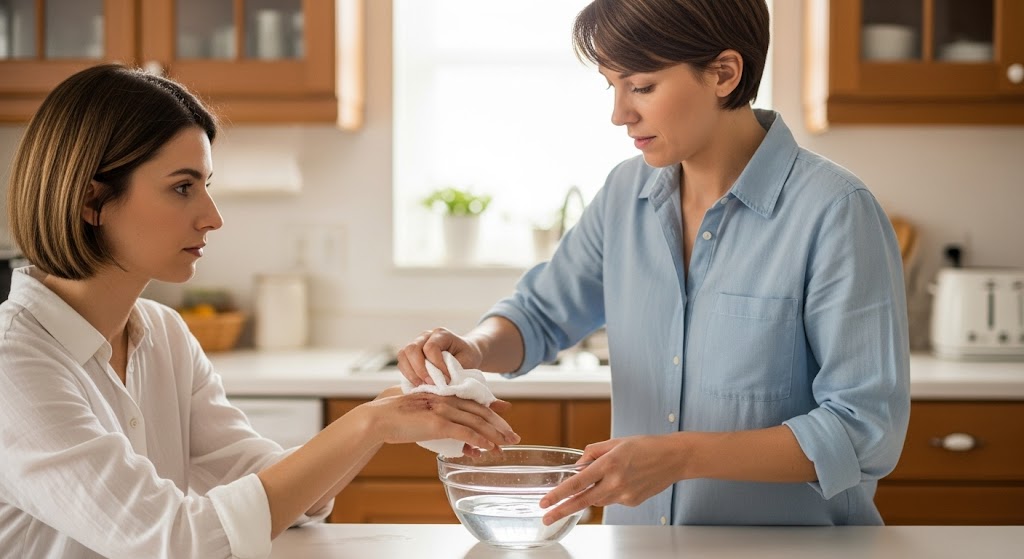
When your partner experiences a minor burn, how you respond in the first few moments is critical. This guide focuses on creating a clear and actionable plan so you don’t have to second-guess yourself during an emergency.
Each section below walks you through the essentials, helping you stay calm, think clearly, and confidently support your partner’s comfort and recovery.
Recognize What Classifies as a Minor Burn
Not every burn is the same. A minor burn is typically considered a first-degree or superficial second-degree burn. These affect only the top layer or slightly below the skin.
- First-degree burns, like a mild sunburn, often appear red and dry without blisters.
- Second-degree burns may include small blisters but cover only a limited area and cause moderate pain.
- If the area is larger than three inches or affects sensitive areas (face, hands, joints), it’s no longer minor and should be evaluated by a professional.
Understanding the severity helps determine your next steps and prevents over- or underreacting.
Create a Step-by-Step Burn Response Plan
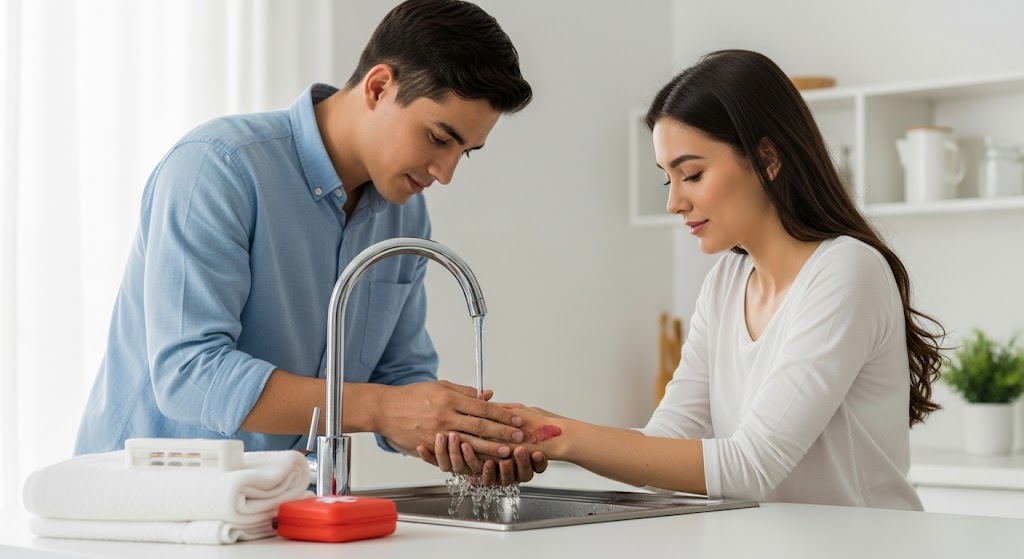
Having a clear plan makes all the difference when you see the injury. These are the essential steps to follow immediately:
- Remove the source – Stop the burning process by removing your partner from heat or chemicals.
- Cool the burn – Gently run cool (not cold) water over the area for 10 to 15 minutes. This reduces pain and stops further skin damage.
- Protect the skin – After cooling, loosely cover the burn with a sterile, non-stick bandage or clean cloth.
- Avoid ice or ointments – Applying ice can cause further damage, and greasy ointments may trap heat.
- Keep them calm – Comfort and reassure your partner. Reducing stress can lower pain perception and help you think clearly.
This immediate care plan prevents complications and sets the stage for healing.
When to Worry Even If the Burn Looks Minor
Even a minor burn can turn serious if overlooked. Be alert to these signs that may suggest a deeper issue:
- Increasing pain instead of relief over time
- Pus, oozing, or foul odor at the burn site
- Fever or chills within 24–48 hours
- Swelling that spreads beyond the injury.
If any of these appear, your initial plan should shift toward contacting a medical provider. A timely change in care can prevent long-term skin damage or infection.
How to Comfort Your Partner Physically and Emotionally

Pain is only part of the problem. Seeing a partner in distress creates emotional strain for both people. Support goes beyond first aid.
- Listen without interrupting. Let your partner explain what they feel.
- Reassure them by staying calm. Your tone can influence their stress.
- Avoid minimizing their pain, even if the injury seems small to you.
Emotional support is part of any reasonable response plan. How you handle this moment will stay with both of you longer than the burn itself.
What Not to Do After a Minor Burn Happens
People often make well-meaning mistakes that can worsen a burn. Keep your plan safe by avoiding the following:
- Don’t pop blisters. They act as natural protection against bacteria.
- Don’t apply butter, toothpaste, or oils. These traps heat and may cause infection.
- Don’t cover tightly. Breathable, light protection speeds recovery.
Every part of your reaction should focus on healing, not just covering up the damage.
Building a Future Burn-Response Plan for Your Household
This won’t be the last time you face an emergency together. Preparing now means you’ll both be ready next time.
- Keep burn care supplies in your first aid kit (gauze, aloe, pain relievers).
- Talk through emergency roles. Decide who does what when something goes wrong.
- Learn basic first aid as a couple. Understanding together boosts trust and reduces panic.
Your plan becomes a shared safety net—and that creates peace of mind every day.
Conclusion
A minor burn might seem like a small event, but how you handle it can profoundly affect your partner’s healing and your sense of readiness together. With a reliable plan, a calm mindset, and clear steps, you can respond in a way that protects both their body and your bond. Knowing what to do in those tense moments builds trust, reduces fear, and turns a painful situation into a decisive moment of care.