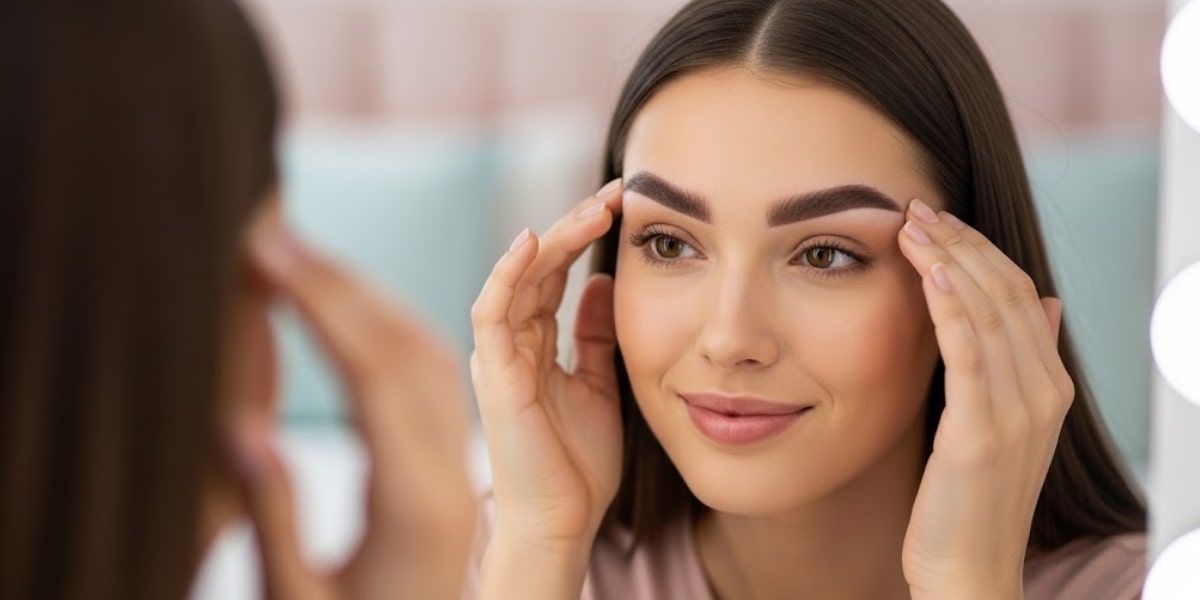
Microblading isn’t just about shaping eyebrows—it may also boost your bedroom energy and influence how you carry yourself with confidence in intimate moments. Insecurity about facial features can subtly impact how you present yourself in private settings.
Well-defined brows can boost self-esteem and subtly enhance your confidence during intimate moments. Small changes in appearance can often alter how you interact with your partner.
This article examines the impact of microblading on emotional confidence and personal attraction, and explores why it may be influencing more than just your appearance.
Why Microblading Might Boost Bedroom Confidence: How Small Cosmetic Changes Influence Private Intimacy

Enhancing appearance through microblading doesn’t just shape the eyebrows—it can shape behavior in intimate spaces.
This section explores how subtle aesthetic changes can influence emotional well-being, communication, and physical presence in the bedroom, directly linking beauty procedures to increased confidence during intimacy.
While often considered a surface-level treatment, microblading may play a deeper psychological role in how we engage with partners behind closed doors.
The Psychology Behind Brows and Confidence
Eyebrows frame the face and play a significant role in how we interpret expressions, emotions, and attention. For many, sparse or uneven brows contribute to self-consciousness, even if only subconsciously.
- Microblading creates the appearance of fuller, more balanced brows, which can reduce appearance-based anxiety.
- Individuals often report a more polished look immediately after treatment, which contributes to higher self-assurance.
Confidence built from facial symmetry or perceived attractiveness often carries over into how one initiates or responds to intimacy. A person who feels more attractive is more likely to maintain eye contact, feel comfortable undressing, or take a more active role in the bedroom.
How Appearance Affects Intimacy
Visual self-perception is directly tied to how we behave in romantic situations. A perceived improvement in appearance, especially involving the face, can enhance how assertive or relaxed someone feels during intimate moments.
- Feeling good about one's face can increase openness to touch and vulnerability.
- Microblading, a long-lasting procedure, can alleviate the daily stress of applying eyebrow makeup, allowing for a sense of readiness or spontaneity in intimate settings.
The result is not simply cosmetic—there’s a measurable emotional boost that can impact romantic chemistry, communication, and the frequency or quality of connection in the bedroom.
Microblading and the Power of Self-Control
Another overlooked benefit of microblading is the psychological reinforcement that comes with self-investment. Taking time for personal care fosters a sense of control over one’s appearance, a key factor in maintaining emotional stability and confidence.
- This sense of control can extend into how someone carries themselves during private moments.
- Regular grooming or cosmetic routines signal to the brain that the individual is worth care and attention, which boosts emotional availability.
In relationships, that energy often reflects. Partners notice when someone is more self-assured or proactive—qualities that shape how intimacy plays out.
Do Partners Really Notice? The Answer Is Yes
While microblading may seem like a personal decision, its effects are often visible to partners, even if they can’t pinpoint what has changed. Increased confidence tends to affect posture, speech tone, and emotional expression, all of which play a role in bedroom connection.
- A person who feels more confident in their appearance is more likely to initiate touch or suggest new forms of intimacy.
- Subtle behavioral shifts, such as maintaining more prolonged eye contact or smiling more often, can invite closeness and deepen attraction.
The boost is real, even if it begins quietly with a minor cosmetic adjustment.
Who Benefits Most from Microblading in Intimacy?

Not everyone experiences the same results, but certain personality types or relational dynamics see stronger links between appearance and bedroom presence.
- Individuals with past appearance-related insecurities tend to feel the most significant boost post-treatment.
- People in new relationships may find that increased confidence makes them feel more secure in the early stages of physical intimacy.
- Those returning to intimacy after a long break (e.g., after childbirth or a breakup) often see microblading as a fresh start.
While microblading doesn’t directly change sexual function or desire, it reshapes how someone feels stepping into those moments, which can affect overall satisfaction.
Why the Face Matters More Than You Think
When it comes to attraction and desire, the face plays a central role. Eyes, brows, and expressions comprise a significant portion of the visual and emotional signals exchanged during intimacy.
- Brows act as nonverbal communicators and influence first impressions, even in long-term relationships.
- Subtle changes from microblading can reignite attraction by highlighting symmetry and enhancing emotional expressions.
This doesn’t mean that brows alone determine bedroom chemistry. Still, when someone feels good about their appearance, especially the part of their face most visible during intimacy, it changes the dynamic.
The Emotional Ripple Effect of Feeling Attractive
There’s a cascading effect that starts with feeling attractive. Microblading may seem minor, but if it enhances self-image, it can lead to a better mood, increased confidence, and a stronger emotional bond with a partner.
- Feeling attractive invites more openness.
- Openness often leads to better bedroom communication.
- Better communication fosters trust and a more profound physical connection.
These emotional layers, triggered by a boost in self-perception, impact how intimacy is experienced over time.
Conclusion
Microblading doesn’t just enhance brows—it enhances behavior, perception, and presence. The quiet boost in self-assurance it brings often finds its way into the bedroom, influencing how confident, open, and emotionally available someone feels with their partner.
While not a replacement for deeper emotional work or open communication in relationships, it can be a subtle starting point for renewed connection and intimacy.
For those seeking to feel more like themselves—and project that energy in private—microblading may offer more than a visual upgrade. It might just reshape how you show up when it matters most.